
Bandastrild vs Rubinkehlpieper
Amadina fasciata gegen Macronyx ameliae
Ein Quiz mit Bandastrild und Rubinkehlpieper spielen
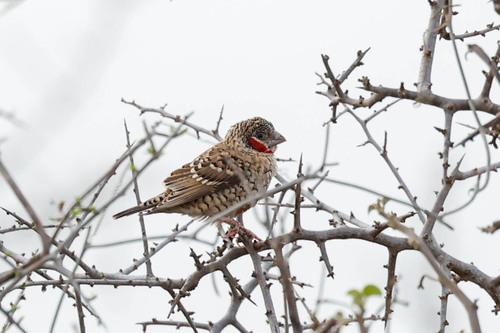 Bandastrild
 Rubinkehlpieper
Kurz gesagt
Der Bandastrild (Amadina fasciata) und der Rubinkehlpieper (Macronyx ameliae) sind leicht an ihren Kehlen zu unterscheiden: Der Bandastrild hat ein markantes rotes Band über seiner Kehle, während der Rubinkehlpieper eine rosarote Kehle aufweist. Diese Arten unterscheiden sich erheblich in ihrer Struktur und ihren Habitatpräferenzen, was die Identifizierung erleichtert.
Bestimmungstipps
- Achten Sie auf das rote Kehlenband beim Bandastrild im Vergleich zur rosaroten Kehle beim Rubinkehlpieper.
- Berücksichtigen Sie die strukturellen Unterschiede: Der Bandastrild ist ein finkenähnlicher Vogel, während der Rubinkehlpieper einem Pieper ähnelt.
Gefieder
Der Bandastrild hat ein rotes Band über seiner Kehle, das im Kontrast zur rosaroten Kehle des Rubinkehlpiepers steht. Diese Kehlenmarkierungen sind die zuverlässigsten Unterschiede im Gefieder.