Birdr

Pita Angoleña vs Titirijí Cabecicanela

Pitta angolensis frente a Poecilotriccus plumbeiceps

Juega un quiz con Pita Angoleña y Titirijí Cabecicanela
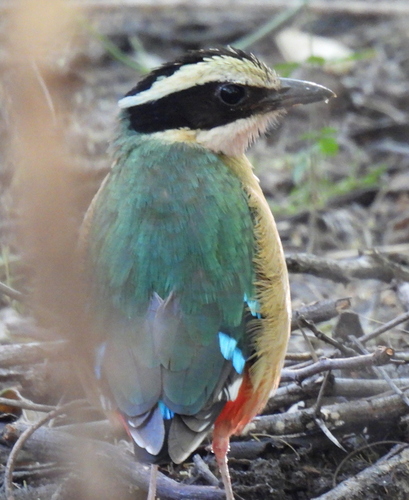
Pita Angoleña (Pitta angolensis) Pita Angoleña
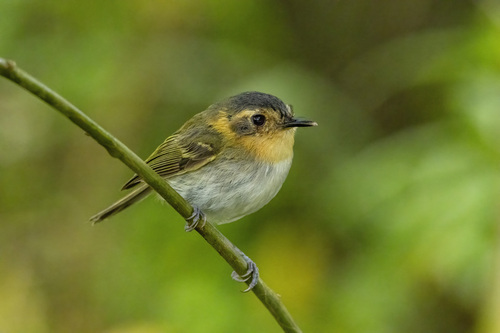
Titirijí Cabecicanela (Poecilotriccus plumbeiceps) Titirijí Cabecicanela

Medios

Cargando…

En breve

La Pita Angoleña y el Titirijí Cabecicanela son distintos tanto en apariencia como en comportamiento. La Pita Angoleña es conocida por su plumaje vibrante y hábitos terrestres, mientras que el Titirijí Cabecicanela tiene una coloración más sutil y se encuentra típicamente en el sotobosque de bosques húmedos.

Consejos de identificación

Busca el plumaje vibrante de la Pita Angoleña y su comportamiento terrestre. En contraste, el Titirijí Cabecicanela estará en el sotobosque con lados canela en la cabeza y una corona oliva.

Tamaño

La Pita Angoleña es generalmente más grande que el Titirijí Cabecicanela.

Plumaje

La Pita Angoleña es de colores brillantes, mientras que el Titirijí Cabecicanela tiene lados canela brillantes en la cabeza con una corona oliva y auriculares.

Comportamiento

La Pita Angoleña es un ave terrestre, mientras que el Titirijí Cabecicanela forrajea en el sotobosque, a menudo en solitario o en parejas.

Hábitat

La Pita Angoleña se encuentra típicamente en el suelo de su hábitat, mientras que el Titirijí Cabecicanela se encuentra en el sotobosque de bosques húmedos.

Enviar una descripción mejor

Usa las mismas secciones que la comparación. El texto se publica al momento.

The African Pitta and the Ochre-faced Tody-Flycatcher are distinct in both appearance and behavior. The African Pitta is known for its vibrant plumage and ground-dwelling habits, while the Ochre-faced Tody-Flycatcher has a more subdued coloration and is typically found in the understory of humid forests.

Look for the African Pitta's vibrant plumage and ground-dwelling behavior. In contrast, the Ochre-faced Tody-Flycatcher will be in the understory with buffy sides to the head and an olive crown.

The African Pitta is generally larger than the Ochre-faced Tody-Flycatcher.

The African Pitta is brightly colored, while the Ochre-faced Tody-Flycatcher has bright buffy sides to the head with an olive crown and auriculars.

The African Pitta is a ground-dwelling bird, whereas the Ochre-faced Tody-Flycatcher forages in the understory, often solitarily or in pairs.

The African Pitta is typically found on the ground in its habitat, whereas the Ochre-faced Tody-Flycatcher is found in the understory of humid forests.

¿Descartar los cambios?

Tienes ediciones sin guardar. Si sales ahora, se perderán.

Pita Angoleña · Titirijí Cabecicanela · Mis aves difíciles