
Copetón Cenizo vs Copetón Viajero
Myiarchus cinerascens frente a Myiarchus crinitus
Juega un quiz con Copetón Cenizo y Copetón Viajero
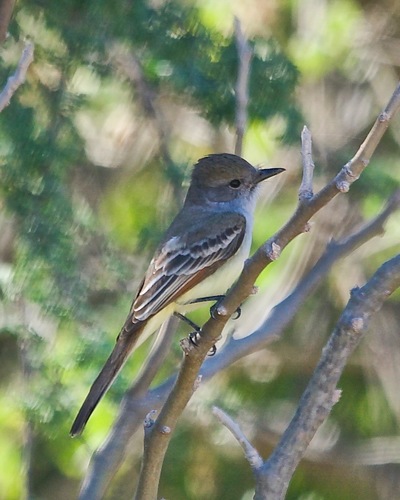 Copetón Cenizo
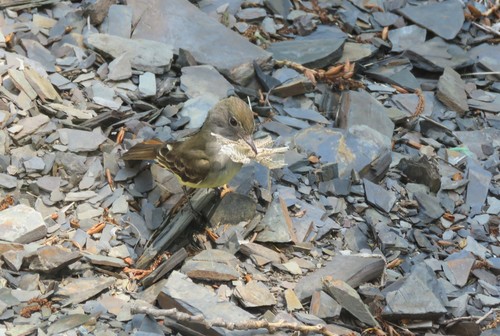 Copetón Viajero
En breve
El Copetón Cenizo y el Copetón Viajero son parte del género Myiarchus, lo que los hace estructuralmente similares. Sin embargo, el Copetón Cenizo se encuentra generalmente en el oeste de los Estados Unidos, mientras que el Copetón Viajero es más común en el este. Las diferencias clave incluyen variaciones sutiles en el plumaje y las vocalizaciones, que pueden ser difíciles de discernir en áreas superpuestas.
Consejos de identificación
- Ubicación: Considera el rango geográfico; Copetón Cenizo en el oeste, Copetón Viajero en el este.
- Plumaje: Busca la garganta más pálida del Copetón Cenizo frente a los tonos marrones y amarillos más ricos del Copetón Viajero.
- Vocalizaciones: Escucha los llamados más variados del Copetón Viajero.
Plumaje
Ambas especies tienen una apariencia general similar, pero el Copetón Cenizo tiende a tener una garganta más pálida y un plumaje menos vibrante en comparación con el Copetón Viajero, que a menudo muestra un vientre amarillo más pronunciado y tonos marrones más ricos.
Hábitat
El Copetón Cenizo se encuentra más comúnmente en las regiones áridas y semiáridas del oeste de los Estados Unidos, mientras que el Copetón Viajero prefiere bosques de hoja caduca y bosques en el este de los Estados Unidos.
Voz
Las vocalizaciones de estas dos especies difieren, siendo el Copetón Viajero el que tiene un repertorio de llamadas más fuerte y variado en comparación con el Copetón Cenizo.