
Oropéndola Consanguínea vs Ceniciento Grande
Oriolus consanguineus frente a Tephrodornis virgatus
Juega un quiz con Oropéndola Consanguínea y Ceniciento Grande
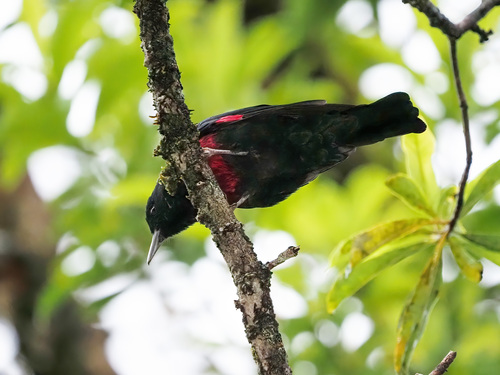 Oropéndola Consanguínea
 Ceniciento Grande
En breve
La Oropéndola Consanguínea y el Ceniciento Grande se pueden diferenciar principalmente por su plumaje y características estructurales. La oropéndola tiene una coloración negra y consanguínea llamativa, mientras que el ceniciento es más sutil en color. Observar su comportamiento y hábitat también puede ayudar en la identificación.
Consejos de identificación
- Busca el plumaje negro y consanguíneo vívido de la Oropéndola Consanguínea.
- Nota la coloración más sutil del Ceniciento Grande.
- Considera las diferencias estructurales, como la construcción más robusta de la oropéndola en comparación con el ceniciento.
Plumaje
La Oropéndola Consanguínea exhibe un plumaje negro y consanguíneo distintivo, que es un diferenciador clave del Ceniciento Grande, que tiene tonos más apagados y carece de la coloración consanguínea vívida.
Oropéndola Consanguínea · Ceniciento Grande · Mis aves difíciles