
Cuclillo Piquinegro vs Pigargo Gigante
Coccyzus erythropthalmus frente a Haliaeetus pelagicus
Juega un quiz con Cuclillo Piquinegro y Pigargo Gigante
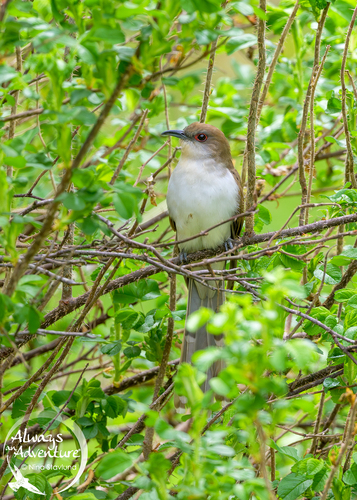 Cuclillo Piquinegro
 Pigargo Gigante
En breve
El Cuclillo Piquinegro y el Pigargo Gigante se distinguen fácilmente por su tamaño y hábitat. El Cuclillo Piquinegro es un ave pequeña y secreta que a menudo se encuentra en áreas boscosas densas, mientras que el Pigargo Gigante es un gran ave de presa asociada con regiones costeras.
Consejos de identificación
El tamaño y el hábitat son los indicadores más fiables: busque el pequeño Cuclillo Piquinegro que habita en el bosque frente al gran Pigargo Gigante costero. El color del pico también es una pista fuerte: negro en el cuclillo, amarillo en el águila.
Tamaño
El Cuclillo Piquinegro es mucho más pequeño que el Pigargo Gigante, que es una de las águilas más grandes del mundo.
Plumaje
El Cuclillo Piquinegro tiene un plumaje más sobrio con un pico negro delgado, mientras que el Pigargo Gigante es llamativo con un gran pico amarillo y un plumaje audaz blanco y marrón oscuro.
Comportamiento
El Cuclillo Piquinegro es secreto y a menudo silencioso, especialmente durante la migración, mientras que el Pigargo Gigante es más conspicuo y poderoso en vuelo.
Hábitat
Los Cuclillos Piquinegros se asocian con hábitats boscosos densos, a menudo en áreas coníferas, mientras que los Pigargos Gigantes se encuentran en regiones costeras y cerca de grandes cuerpos de agua.
Voz
El Cuclillo Piquinegro tiene un llamado estacato y repetitivo 'cu-cu-cu', que a menudo se escucha durante las noches de finales de primavera. No se mencionan vocalizaciones del Pigargo Gigante.