
Gaviota Reidora vs Charrán Aleutiano
Chroicocephalus ridibundus frente a Onychoprion aleuticus
Juega un quiz con Gaviota Reidora y Charrán Aleutiano
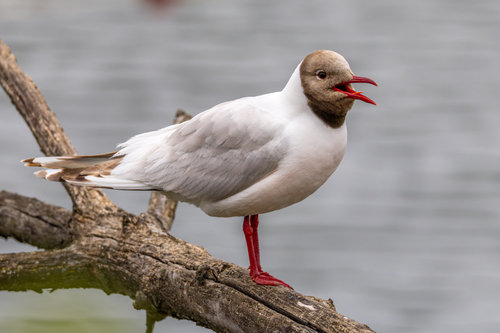 Gaviota Reidora
 Charrán Aleutiano
En breve
La Gaviota Reidora y el Charrán Aleutiano se pueden distinguir por sus marcas en la cabeza y patrones de alas. La Gaviota Reidora tiene una cabeza oscura en plumaje de cría, mientras que el Charrán Aleutiano tiene una frente blanca y una gorra negra. Además, la Gaviota Reidora tiene alas más redondeadas en comparación con las alas más puntiagudas del Charrán Aleutiano.
Consejos de identificación
- Busca la cabeza oscura de la Gaviota Reidora durante la temporada de cría.
- Nota la frente blanca y gorra negra del Charrán Aleutiano.
- Verifica la forma de las alas: la Gaviota Reidora tiene alas redondeadas, mientras que el Charrán Aleutiano tiene alas puntiagudas.
Plumaje
La Gaviota Reidora presenta una cabeza oscura durante la temporada de cría, pasando a una cabeza blanca con una mancha oscura en la oreja en plumaje no reproductivo. En contraste, el Charrán Aleutiano tiene una frente blanca distintiva con una gorra negra durante todo el año.