
Azulillo Grande vs Azulillo Lapislázuli
Passerina caerulea frente a Passerina amoena
Juega un quiz con Azulillo Grande y Azulillo Lapislázuli
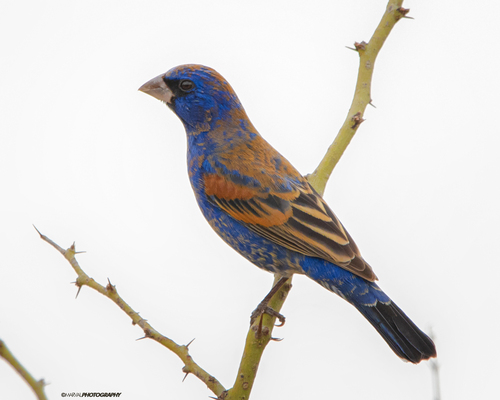 Azulillo Grande
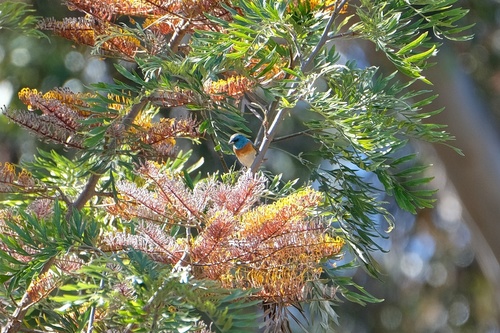 Azulillo Lapislázuli
En breve
El Azulillo Grande y el Azulillo Lapislázuli son ambos vibrantes pájaros cantores azules, pero el Azulillo Grande es más grande y tiene un pico más robusto. El Azulillo Lapislázuli es conocido por su plumaje llamativo similar al lapislázuli y a menudo se ve en comederos.
Consejos de identificación
- Tamaño y Pico: El Azulillo Grande es más grande y tiene un pico más robusto.
- Plumaje: El Azulillo Grande tiene barras alares castañas; el Azulillo Lapislázuli tiene un vientre blanco y una banda pectoral castaña.
- Hábitat: Busca Azulillos Grandes cerca de los bordes del bosque y en las orillas de las carreteras; los Azulillos Lapislázuli suelen estar en comederos.
Tamaño
El Azulillo Grande es más grande y robusto que el Azulillo Lapislázuli.
Plumaje
El Azulillo Grande tiene un color azul profundo con barras alares castañas, mientras que el Azulillo Lapislázuli presenta un azul más brillante, similar al lapislázuli, con un vientre blanco y una banda pectoral castaña.
Hábitat
Los Azulillos Grandes se encuentran típicamente en el borde del bosque del sur, a menudo cerca de las orillas de las carreteras, mientras que los Azulillos Lapislázuli prefieren hábitats arbustivos y son comunes en comederos.
Voz
Los Azulillos Lapislázuli son cantores persistentes con canciones únicas e individuales, mientras que los detalles específicos sobre las canciones del Azulillo Grande están menos documentados.