
Golondrina Pueblera vs Lavandera de Chukotka
Petrochelidon fulva frente a Motacilla tschutschensis
Juega un quiz con Golondrina Pueblera y Lavandera de Chukotka
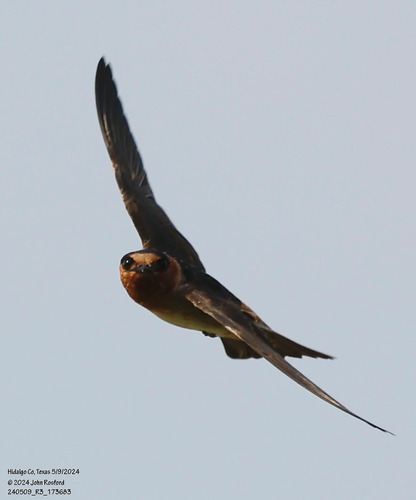 Golondrina Pueblera
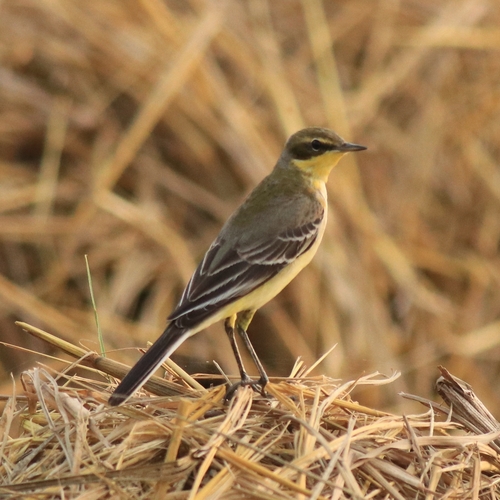 Lavandera de Chukotka
En breve
La Golondrina Pueblera y la Lavandera de Chukotka son distintas en estructura y hábitat. La Golondrina Pueblera es un ave pequeña y compacta con un pico corto y una cola bifurcada, que se encuentra típicamente en colonias cerca de cuevas o estructuras. En contraste, la Lavandera de Chukotka es esbelta con una cola más larga y se encuentra en tundras abiertas o praderas.
Consejos de identificación
1. Estructura: Busca el cuerpo compacto de la Golondrina Pueblera y su cola bifurcada frente a la construcción esbelta de la Lavandera de Chukotka y su cola más larga. 2. Hábitat: Nota el hábitat; las Golondrinas Puebleras están cerca de cuevas o estructuras, las Lavanderas de Chukotka en tundras abiertas o praderas. 3. Plumaje: Observa la garganta y la frente pálidas de la Golondrina Pueblera en comparación con las partes inferiores de color amarillo brillante de la Lavandera de Chukotka.
Tamaño
La Golondrina Pueblera es más compacta, mientras que la Lavandera de Chukotka es esbelta con una cola más larga.
Plumaje
La Golondrina Pueblera tiene un plumaje más uniforme con una garganta y frente pálidas, mientras que la Lavandera de Chukotka tiene una parte inferior de color amarillo más brillante y marcas más distintivas.
Hábitat
Las Golondrinas Puebleras se encuentran típicamente cerca de cuevas o estructuras hechas por el hombre, mientras que las Lavanderas de Chukotka se encuentran en tundras abiertas o praderas.
Golondrina Pueblera · Lavandera de Chukotka · Mis aves difíciles