
Chingolo Cejiblanco vs Chingolo Barbinegro
Spizella passerina frente a Spizella atrogularis
Juega un quiz con Chingolo Cejiblanco y Chingolo Barbinegro
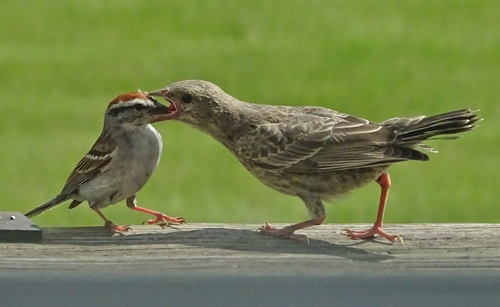 Chingolo Cejiblanco
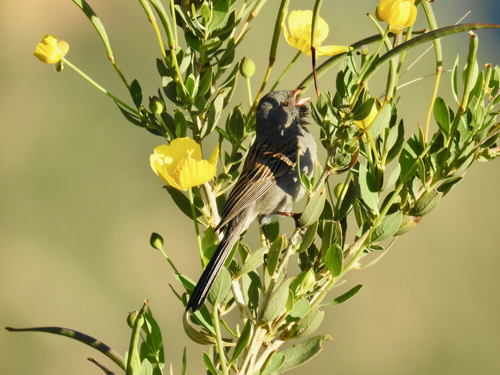 Chingolo Barbinegro
En breve
El Chingolo Cejiblanco y el Chingolo Barbinegro son ambos pequeños gorriones, pero se pueden distinguir por su plumaje y preferencias de hábitat. El Chingolo Barbinegro tiene una distintiva mancha negra en la barbilla y un torso gris, mientras que el Chingolo Cejiblanco es conocido por su gorra rufo y una apariencia marrón más uniforme. El hábitat también es un diferenciador clave, con el Chingolo Barbinegro favoreciendo entornos de chaparral.
Consejos de identificación
- Busca la mancha negra en la barbilla del Chingolo Barbinegro.
- Nota la gorra rufo del Chingolo Cejiblanco.
- Considera el hábitat: el chaparral sugiere Chingolo Barbinegro.
- Escucha el trino acelerado del Chingolo Barbinegro.
Plumaje
El Chingolo Barbinegro presenta una mancha negra en la barbilla y un torso gris con un dorso y alas marrón rojizo, mientras que el Chingolo Cejiblanco se caracteriza por una gorra rufo y un plumaje marrón más uniforme.
Comportamiento
Los Chingolos Barbinegros se encuentran a menudo en matorrales bajos y son más reclusos, permaneciendo cerca de la vegetación, mientras que los Chingolos Cejiblancos son más adaptables a varios hábitats abiertos.
Hábitat
Los Chingolos Barbinegros son regulares en hábitats de chaparral en el suroeste de EE. UU. y México, mientras que los Chingolos Cejiblancos son más extendidos y no están limitados al chaparral.
Voz
La canción del Chingolo Barbinegro es un trino distintivo y acelerado, mientras que la canción del Chingolo Cejiblanco no se describe aquí.
Chingolo Cejiblanco · Chingolo Barbinegro · Mis aves difíciles