
Pijuí Chotoy vs Pijuí Ceniciento
Schoeniophylax phryganophilus frente a Synallaxis cinerascens
Juega un quiz con Pijuí Chotoy y Pijuí Ceniciento
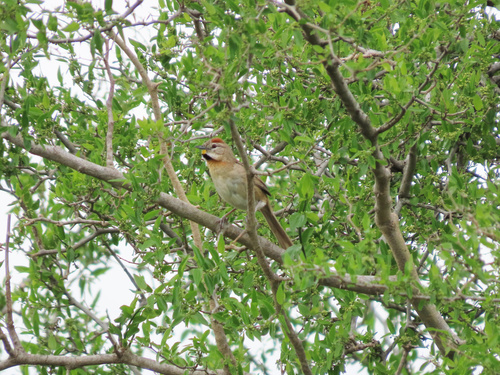 Pijuí Chotoy
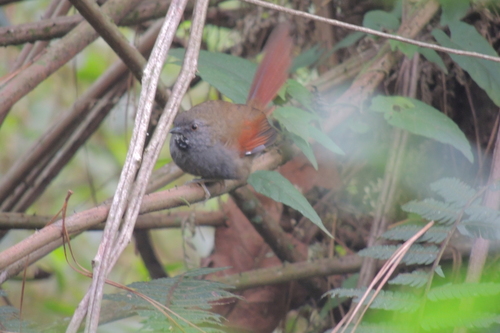 Pijuí Ceniciento
En breve
El Pijuí Chotoy se distingue por su llamativo cuello negro y amarillo, mientras que el Pijuí Ceniciento presenta un plumaje gris apagado con una pequeña marca negra en el cuello. Ambas especies son pijuíes, pero difieren significativamente en sus hábitats preferidos y vocalizaciones.
Consejos de identificación
1. Busca el cuello negro y amarillo del Pijuí Chotoy como una característica clave de distinción. 2. Nota el hábitat: Pijuí Chotoy en Chaco y Espinal, Pijuí Ceniciento en el Bosque Atlántico. 3. Escucha las notas guturales del Pijuí Chotoy frente a los llamados secretos del Pijuí Ceniciento.
Plumaje
El Pijuí Chotoy tiene un llamativo cuello negro y amarillo y partes superiores fuertemente rayadas, mientras que el Pijuí Ceniciento es generalmente de un gris apagado con una pequeña marca negra en el cuello y un mentón blanquecino.
Comportamiento
Los Pijuíes Chotoy a menudo se observan solos o en parejas, forrajeando en árboles o en el suelo. Los Pijuíes Ceniciento son más secretos y a menudo se detectan por sus vocalizaciones.
Hábitat
Los Pijuíes Chotoy se encuentran en las ecorregiones del Chaco y Espinal, mientras que los Pijuíes Ceniciento son endémicos del Bosque Atlántico, prefiriendo el sotobosque de bosques más altos.
Voz
El Pijuí Chotoy tiene una serie de notas guturales y de tono bajo, mientras que el Pijuí Ceniciento es más probable que se detecte por sus vocalizaciones debido a su naturaleza secreta.