
Escribano Palustre vs Escribano Cejigualdo
Emberiza schoeniclus frente a Emberiza chrysophrys
Juega un quiz con Escribano Palustre y Escribano Cejigualdo
 Escribano Palustre
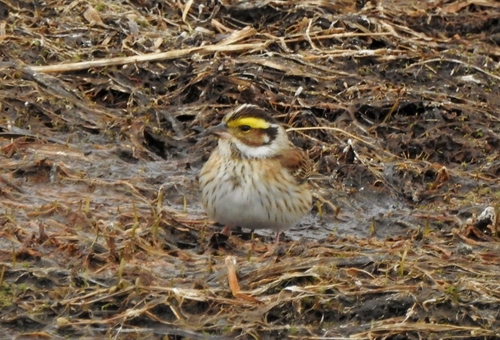 Escribano Cejigualdo
En breve
El Escribano Palustre y el Escribano Cejigualdo se pueden distinguir por su plumaje y preferencias de hábitat. El Escribano Palustre presenta típicamente una coloración más sutil, mientras que el Escribano Cejigualdo es conocido por su distintivo supercilio amarillento. Observar sus hábitats preferidos también puede ayudar en la identificación, ya que tienden a ocupar diferentes entornos.
Consejos de identificación
Busca el supercilio amarillento en el Escribano Cejigualdo. Verifica el hábitat: los lechos de juncos sugieren Escribano Palustre, mientras que las áreas boscosas sugieren Escribano Cejigualdo.
Plumaje
El Escribano Palustre generalmente tiene un plumaje más apagado con marcas faciales menos llamativas en comparación con el Escribano Cejigualdo, que se caracteriza por un prominente supercilio amarillento.
Hábitat
Los Escribanos Palustres se encuentran a menudo en lechos de juncos y áreas pantanosas, mientras que los Escribanos Cejigualdos son más propensos a ser vistos en áreas boscosas o arbustivas.
Escribano Palustre · Escribano Cejigualdo · Mis aves difíciles