
Ánade Juarjal vs Negrón Americano
Lophonetta specularioides frente a Melanitta americana
Juega un quiz con Ánade Juarjal y Negrón Americano
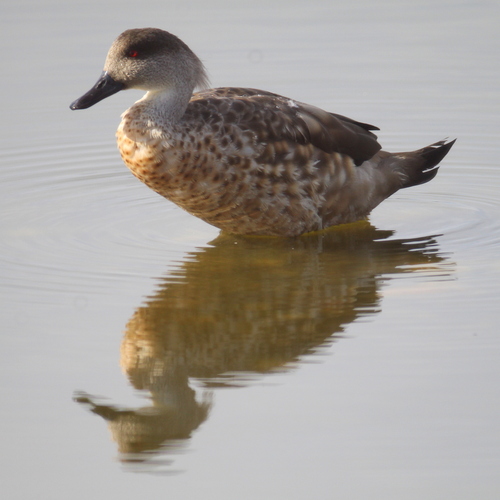 Ánade Juarjal
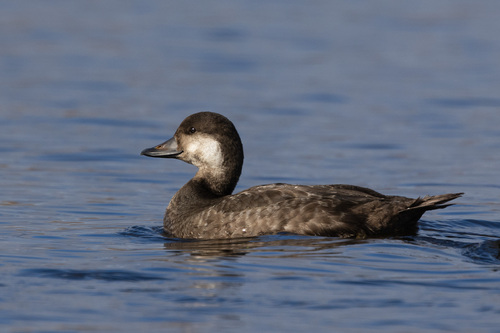 Negrón Americano
En breve
El Ánade Juarjal y el Negrón Americano se pueden distinguir por sus preferencias de hábitat y vocalizaciones. El Ánade Juarjal se encuentra en hábitats de agua dulce y salada, mientras que el Negrón Americano se encuentra típicamente en aguas costeras poco profundas. Además, el Negrón Americano es conocido por su constante sonido de silbido melódico y lastimero, que no es una característica del Ánade Juarjal.
Consejos de identificación
- Hábitat: Busca Ánades Juarjales en entornos de agua dulce y salada, mientras que los Negrones Americanos son más propensos a estar en aguas costeras.
- Vocalización: Escucha el sonido distintivo de silbido del Negrón Americano, ausente en los Ánades Juarjales.
- Plumaje: Nota la distintiva cabeza oscura y mejillas claras en las hembras de Negrón Americano, que carecen los Ánades Juarjales.
Plumaje
Los Ánades Juarjales tienen una apariencia más uniforme sin mención de cabeza y mejillas contrastantes, a diferencia de las hembras de Negrón Americano, que tienen plumaje marrón oscuro con una cabeza oscura contrastante y mejillas claras.
Hábitat
Los Ánades Juarjales habitan una variedad de hábitats de agua dulce y salada, mientras que los Negrones Americanos se encuentran principalmente en aguas costeras poco profundas, especialmente en invierno.
Voz
Los Negrones Americanos están entre las aves acuáticas más vocales, con los machos produciendo un constante sonido de silbido melódico y lastimero. Esta vocalización es una diferencia clave con respecto al Ánade Juarjal, que no se destaca por tales sonidos.