
Bienteveo Ventridorado vs Tuquito Rayado
Myiodynastes hemichrysus frente a Empidonomus varius
Juega un quiz con Bienteveo Ventridorado y Tuquito Rayado
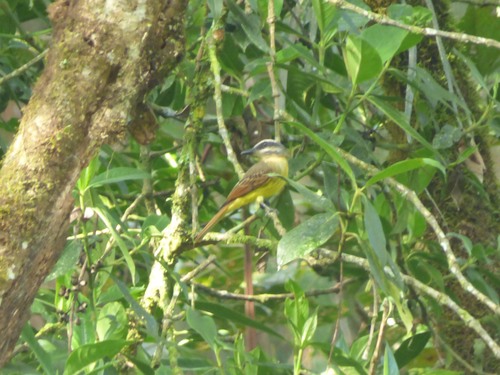 Bienteveo Ventridorado
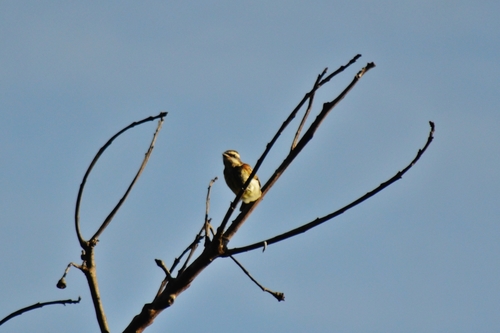 Tuquito Rayado
En breve
El Bienteveo Ventridorado y el Tuquito Rayado se pueden distinguir por su plumaje y estructura. El Bienteveo Ventridorado típicamente tiene un vientre amarillo más vibrante, mientras que el Tuquito Rayado muestra patrones más variados en sus partes superiores. Observar el patrón de la cabeza y la coloración general ayudará en la identificación.
Consejos de identificación
- Busca el vientre amarillo brillante del Bienteveo Ventridorado. 2. Verifica los patrones variados en las partes superiores para identificar el Tuquito Rayado.
Plumaje
El Bienteveo Ventridorado tiene un vientre amarillo brillante y una apariencia más uniforme. El Tuquito Rayado exhibe patrones variados en sus partes superiores, que pueden parecer más rayados o moteados.
Bienteveo Ventridorado · Tuquito Rayado · Mis aves difíciles