Birdr

Charrán Lunado vs Charrán de Sumatra

Onychoprion lunatus frente a Sterna sumatrana

Juega un quiz con Charrán Lunado y Charrán de Sumatra
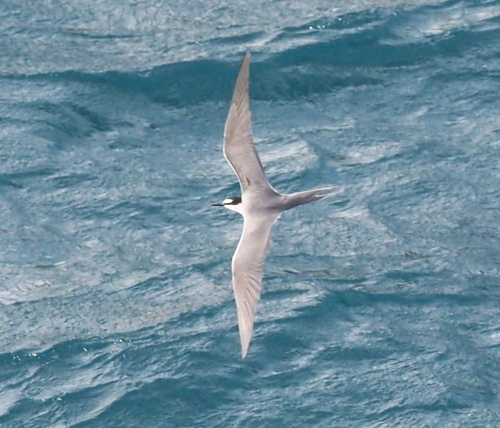
Charrán Lunado (Onychoprion lunatus) Charrán Lunado
Charrán de Sumatra (Sterna sumatrana) Charrán de Sumatra

Medios

Cargando…

En breve

El Charrán Lunado y el Charrán de Sumatra se pueden distinguir por su plumaje y comportamiento. El Charrán Lunado es conocido por su espalda gris, mientras que el Charrán de Sumatra presenta una distintiva nuca negra. Observar su comportamiento y hábitats preferidos también puede ayudar en la identificación.

Consejos de identificación

Busque la espalda gris del Charrán Lunado y la nuca negra del Charrán de Sumatra. Tenga en cuenta la timidez del Charrán Lunado, lo que puede ayudar a distinguirlo del más accesible Charrán de Sumatra.

Plumaje

El Charrán Lunado tiene una espalda gris, que es una característica clave de distinción. En contraste, el Charrán de Sumatra se caracteriza por una nuca negra, que resalta contra su plumaje más claro.

Comportamiento

El Charrán Lunado es considerablemente más tímido y raro en comparación con el Charrán de Sumatra.

Hábitat

El Charrán Lunado se encuentra principalmente en el océano Pacífico central, reproduciéndose en pequeñas islas remotas y atolones. Las preferencias de hábitat del Charrán de Sumatra no están detalladas en las notas.

Enviar una descripción mejor

Usa las mismas secciones que la comparación. El texto se publica al momento.

The Grey-backed Tern and Black-naped Tern can be distinguished by their plumage and behavior. The Grey-backed Tern is known for its grey back, while the Black-naped Tern features a distinctive black nape. Observing their behavior and preferred habitats can also aid in identification.

Look for the grey back of the Grey-backed Tern and the black nape of the Black-naped Tern. Note the shyness of the Grey-backed Tern, which may help in distinguishing it from the more approachable Black-naped Tern.

The Grey-backed Tern has a grey back, which is a key distinguishing feature. In contrast, the Black-naped Tern is characterized by a black nape, which stands out against its otherwise lighter plumage.

The Grey-backed Tern is considerably shier and rarer compared to the Black-naped Tern.

The Grey-backed Tern is primarily found in the central Pacific Ocean, breeding on small, remote islands and atolls. The habitat preferences of the Black-naped Tern are not detailed in the notes.

¿Descartar los cambios?

Tienes ediciones sin guardar. Si sales ahora, se perderán.

Charrán Lunado · Charrán de Sumatra · Mis aves difíciles