
Golondrina Pechigrís vs Chingolo de Botteri
Progne chalybea frente a Peucaea botterii
Juega un quiz con Golondrina Pechigrís y Chingolo de Botteri
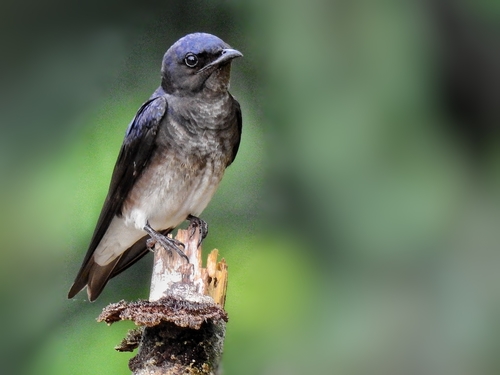 Golondrina Pechigrís
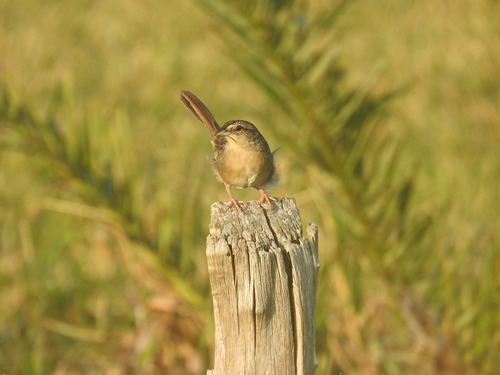 Chingolo de Botteri
En breve
La Golondrina Pechigrís es una golondrina con un cuerpo aerodinámico y alas largas, mientras que el Chingolo de Botteri es un ave terrestre con un cuerpo más robusto y alas más cortas. La golondrina a menudo se ve en vuelo cazando insectos, mientras que el chingolo es más esquivo, a menudo permaneciendo cerca del suelo.
Consejos de identificación
Busca el comportamiento de vuelo: Las Golondrinas Pechigrís a menudo se ven volando, mientras que los Chingolos de Botteri son más propensos a estar en el suelo. Plumaje: Nota la espalda azul-negra brillante de la golondrina frente a las franjas marrones del chingolo. Hábitat: Considera la ubicación; las golondrinas son más urbanas y habitantes de áreas abiertas, mientras que los chingolos prefieren praderas.
Tamaño
La Golondrina Pechigrís es más grande y más esbelta en comparación con el Chingolo de Botteri, que es más pequeño y robusto.
Plumaje
La Golondrina Pechigrís tiene un pecho gris y una espalda azul-negra brillante, típica de las golondrinas. El Chingolo de Botteri tiene un plumaje más críptico con tonos marrones y beige, adecuado para mezclarse en praderas.
Comportamiento
Las Golondrinas Pechigrís son insectívoras aéreas, a menudo vistas volando en áreas abiertas. Los Chingolos de Botteri son aves terrestres, a menudo esquivas y permaneciendo bajas en las praderas.
Hábitat
Las Golondrinas Pechigrís se encuentran en hábitats semi-abiertos, incluyendo pueblos y aldeas, mientras que los Chingolos de Botteri prefieren praderas y áreas arbustivas.
Voz
El Chingolo de Botteri es conocido por su canto que se asemeja a una pelota de ping-pong que llega a reposar. Las vocalizaciones de la Golondrina Pechigrís no son distintivas en esta comparación.
Golondrina Pechigrís · Chingolo de Botteri · Mis aves difíciles