
Chorlito Gris vs Chorlitejo Patinegro
Pluvialis squatarola frente a Anarhynchus alexandrinus
Juega un quiz con Chorlito Gris y Chorlitejo Patinegro
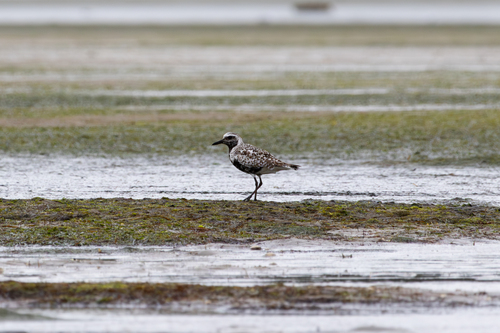 Chorlito Gris
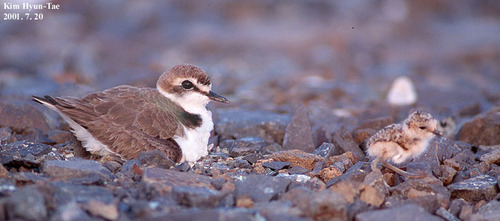 Chorlitejo Patinegro
En breve
La separación más confiable entre Chorlito Gris y Chorlitejo Patinegro, especialmente en vuelo o entre inmaduros, son los audaces axilares negros y las bases de las alas del Chorlito Gris; estos siempre son visibles como manchas oscuras en vuelo, independientemente de la edad o la temporada, y nunca son mostrados por el Chorlitejo Patinegro. En el suelo, el Chorlito Gris es mucho más grande y con un pico más robusto, con una construcción más robusta y patas más largas, mientras que el Chorlitejo Patinegro es pequeño, delicado y con un pico corto. Los Chorlitos Grises en cría muestran un plumaje llamativo en blanco y negro con un vientre negro, mientras que los Chorlitejos Patinegros (especialmente los machos) solo tienen parches oscuros parciales en el pecho y una corona rufo. En plumaje no reproductivo, ambos son más simples, pero el tamaño, el pico y el patrón de las alas siguen siendo diagnósticos. Si ves un chorlito en vuelo con bases de alas negras, es un Chorlito Gris; si el ala es pálida y el ave es delicada, es un Chorlitejo Patinegro.
Consejos de identificación
- Axilares negros en vuelo (todas las edades/temporadas): El Chorlito Gris siempre muestra bases de alas negras (axilares y flancos internos) en vuelo, una marca única y diagnóstica. El ala del Chorlitejo Patinegro siempre es pálida.
- Tamaño: El Chorlito Gris es mucho más grande y robusto que el Chorlitejo Patinegro. Si ves ambos juntos, la diferencia es notable.
- Forma del pico: El Chorlito Gris tiene un pico grueso, pesado y relativamente largo (24–34 mm), mientras que el pico del Chorlitejo Patinegro es corto, fino y delicado.
- Plumaje de cría (macho adulto): El Chorlito Gris tiene una cara, garganta, pecho y vientre completamente negros con un borde blanco; los machos de Chorlitejo Patinegro solo tienen parches oscuros parciales en el pecho, una barra horizontal negra en la cabeza y una corona/nuca rufo.
- Plumaje de cría (hembra): Las hembras de Chorlitejo Patinegro son más pálidas y carecen de marcas oscuras fuertes; las hembras de Chorlito Gris son similares a los machos pero pueden tener menos negro extenso.
- Plumaje no reproductivo: Ambos son más simples, pero el Chorlito Gris sigue siendo más grande, con un dorso gris liso y un pecho moteado; el Chorlitejo Patinegro es marrón claro por encima y blanco por debajo, con solo marcas de cabeza débiles.
- Juvenil/primer invierno: Los juveniles de Chorlito Gris tienen dorsos oscuros con bordes de plumas cremosos y retienen axilares negros; los juveniles de Chorlitejo Patinegro son pálidos y nunca muestran alas negras.
- Patas: Ambos tienen patas oscuras, pero las del Chorlito Gris son más largas y robustas.
- Jizz (impresión general): El Chorlito Gris se mantiene erguido y recto, a menudo quieto; el Chorlitejo Patinegro es pequeño, rápido y a menudo está agachado o corriendo.
- Contexto de hábitat: En llanuras de barro tidal abiertas y estuarios, espera ver Chorlito Gris; en playas de arena, lagunas o lagos salinos interiores, espera ver Chorlitejo Patinegro.
- Tamaño del grupo: Los Chorlitos Grises pueden ser solitarios o estar en pequeños grupos; los Chorlitejos Patinegros a menudo se encuentran en bandadas sueltas, especialmente fuera de la temporada de cría.
- Dimorfismo sexual: Los machos de Chorlitejo Patinegro están más marcados que las hembras, especialmente al principio de la temporada de cría; el Chorlito Gris muestra menos dimorfismo sexual, aunque las hembras pueden tener menos negro extenso en plumaje de cría.
- Cambio estacional: Las marcas en la cabeza y el pecho del macho de Chorlitejo Patinegro son más pronunciadas al principio de la temporada de cría y se desvanecen más tarde; el plumaje de cría en blanco y negro del Chorlito Gris está presente desde finales de abril hasta agosto.
- Trampa: En plumaje de invierno apagado, ambas especies son más simples, pero el tamaño, el pico y el patrón de las alas (en vuelo) siguen siendo confiables.
- Cuando tengas dudas: Si ves un chorlito en vuelo con bases de alas negras, es un Chorlito Gris; esta marca es absoluta para estas dos especies.
Tamaño
El Chorlito Gris es dramáticamente más grande y pesado que el Chorlitejo Patinegro. El Chorlito Gris mide de 27 a 30 cm de longitud con una envergadura de 71 a 83 cm y pesa entre 190 y 280 g (a veces hasta 345 g antes de la migración) [wikipedia]. El Chorlitejo Patinegro es mucho más pequeño, pesando solo entre 40 y 47 g [wikidata], y tiene una apariencia mucho más delicada y compacta. El pico del Chorlito Gris es notablemente grueso y pesado (24–34 mm), mientras que el pico del Chorlitejo Patinegro es fino y corto. Incluso a distancia o en bandadas mixtas, la diferencia de tamaño es obvia: el Chorlito Gris es casi del tamaño de un zorzal, el Chorlitejo Patinegro es del tamaño de un gorrión.
Plumaje
- Juvenil/Primer invierno/Inmaduro (todas las edades): El Chorlito Gris siempre muestra axilares negros y bases internas de las alas en vuelo, una marca única entre los chorlitos y presente en todos los plumajes. Los juveniles/primer invierno de Chorlito Gris son similares a los adultos no reproductivos por encima, pero tienen dorsos más oscuros con bordes de plumas cremosos. El Chorlitejo Patinegro nunca muestra bases de alas negras; su ala es pálida en todas las edades y plumajes.
- Adulto en cría: El Chorlito Gris tiene una cara, garganta, pecho y vientre negros llamativos, todos bordeados de blanco, con una rabadilla blanca y una cola con barras negras. Los machos de Chorlitejo Patinegro muestran solo parches oscuros parciales en el pecho (nunca un vientre negro completo), una barra horizontal negra en la cabeza, cobertores de oído negros y una corona/nuca rufo; las hembras son más pálidas y carecen de marcas oscuras fuertes.
- Adulto no reproductivo: Ambas especies se vuelven más simples. El Chorlito Gris es gris por encima con un pecho moteado y un vientre blanco, pero aún muestra axilares negros en vuelo. El Chorlitejo Patinegro es marrón claro por encima y blanco por debajo, con solo marcas de cabeza débiles y sin negro en las partes inferiores o en las alas.
- Pico y patas: Ambos tienen picos negros y patas oscuras, pero el pico del Chorlito Gris es mucho más pesado y largo.
Comportamiento
El Chorlitejo Patinegro es un ave costera altamente territorial y activa, a menudo vista corriendo rápidamente, agachándose o realizando exhibiciones de distracción cuando se siente amenazada. Los machos son agresivos en la defensa del territorio, y ambos sexos pueden fingir lesiones para atraer a los depredadores lejos de los nidos. El Chorlito Gris, siendo más grande, es menos probable que realice tales exhibiciones de distracción y se ve más a menudo de pie erguido y quieto, especialmente cuando forrajea o está en migración. En vuelo, el Chorlito Gris es poderoso y directo, mientras que el Chorlitejo Patinegro es rápido y aleteante.
Hábitat
El Chorlito Gris se encuentra típicamente en llanuras de barro costeras abiertas, costas arenosas y estuarios, especialmente fuera de la temporada de cría. Prefiere espacios amplios y abiertos cerca del mar. El Chorlitejo Patinegro prefiere playas de arena, lagos salinos, lagunas, dunas de arena y a veces pantanos interiores o hábitats semiáridos. Aunque ambos pueden ocurrir en costas, el Chorlitejo Patinegro es más probable que se encuentre en terrenos más secos y arenosos y a veces lejos de las llanuras de barro tidal.