
Charrán Picudo vs Pagaza Piconegra
Phaetusa simplex frente a Gelochelidon nilotica
Juega un quiz con Charrán Picudo y Pagaza Piconegra
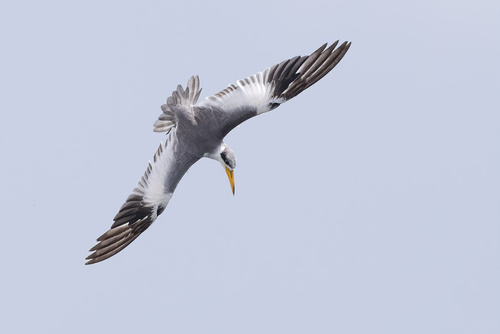 Charrán Picudo
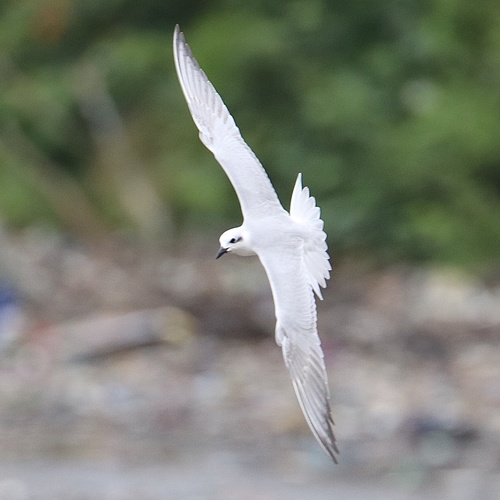 Pagaza Piconegra
En breve
El Charrán Picudo se distingue por su gran y pesada factura y su llamativo patrón de alas con primarias negras y secundarias blancas. En contraste, la Pagaza Piconegra tiene una factura robusta y completamente negra y una parte superior de un gris pálido más uniforme. Ambas especies tienen un tamaño general similar, pero difieren en la estructura del pico y los detalles del plumaje.
Consejos de identificación
- Estructura del Pico: El Charrán Picudo tiene un pico grande y pesado, mientras que la Pagaza Piconegra tiene un pico robusto y completamente negro.
- Patrón de Alas: Busca el llamativo patrón de alas en negro y blanco del Charrán Picudo.
- Plumaje: Nota las partes superiores de un gris pálido uniforme de la Pagaza Piconegra en comparación con la espalda gris del Charrán Picudo.
Plumaje
El Charrán Picudo presenta una espalda gris con un llamativo patrón de alas de primarias negras y secundarias blancas. La Pagaza Piconegra tiene partes superiores de un gris pálido, con primarias ligeramente más oscuras y puntas de alas blanquecinas a gris pálido, y una apariencia más uniforme.
Hábitat
Los Charranes Picudos se encuentran típicamente a lo largo de ríos y lagos interiores amplios durante la temporada de cría y en áreas costeras durante la temporada no reproductiva. Las Pagazas Piconegras tienen una distribución amplia y a menudo se encuentran en humedales costeros e interiores.