
Zampullín Común vs Zampullín Picogrueso
Tachybaptus ruficollis frente a Podilymbus podiceps
Juega un quiz con Zampullín Común y Zampullín Picogrueso
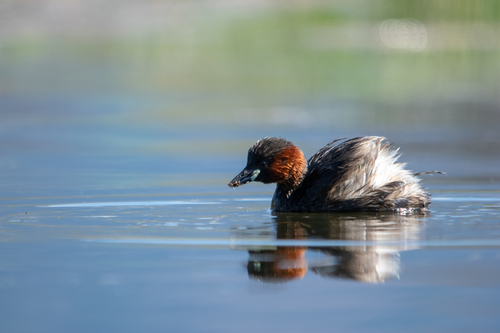 Zampullín Común
 Zampullín Picogrueso
En breve
El Zampullín Común y el Zampullín Picogrueso se pueden distinguir por sus picos: el Zampullín Común tiene un pico delgado y puntiagudo, mientras que el Zampullín Picogrueso presenta un pico distintivo, corto, alto y arqueado con un color blanco azulado y una barra negra vertical durante la temporada de cría. Además, el canto del Zampullín Picogrueso es un 'caow caow caow' que se escucha a gran distancia, lo que puede ayudar en la identificación.
Consejos de identificación
- Forma y color del pico: Busca el pico corto, alto y arqueado del Zampullín Picogrueso con un color blanco azulado y una barra negra vertical durante la temporada de cría. El Zampullín Común tiene un pico delgado y puntiagudo.
- Vocalización: Escucha el canto 'caow caow caow' del Zampullín Picogrueso, que puede ayudar a distinguirlo del Zampullín Común.
Plumaje
El Zampullín Picogrueso tiene un plumaje marrón en general, que es similar al del Zampullín Común, pero el pico del Zampullín Picogrueso es un diferenciador clave con su coloración y patrón únicos durante la temporada de cría.
Comportamiento
El Zampullín Picogrueso es conocido por su comportamiento agresivo, a menudo amenazando y atacando a otras aves, incluidos otros zampullines. También tiende a zambullirse de manera brusca o hundirse sigilosamente fuera de la vista cuando se siente amenazado, lo que se observa con menos frecuencia en los Zampullines Comunes.
Voz
El Zampullín Picogrueso tiene un canto distintivo 'caow caow caow' que a menudo se puede escuchar antes de ver al ave, lo que no se menciona para el Zampullín Común.