
Mosquerito Imberbe vs Herrerillo Unicolor
Camptostoma imberbe frente a Baeolophus inornatus
Juega un quiz con Mosquerito Imberbe y Herrerillo Unicolor
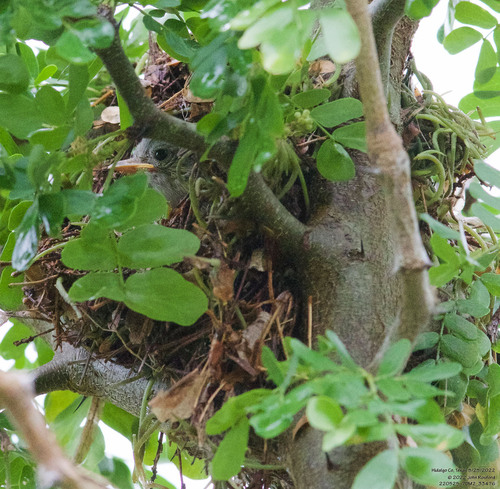 Mosquerito Imberbe
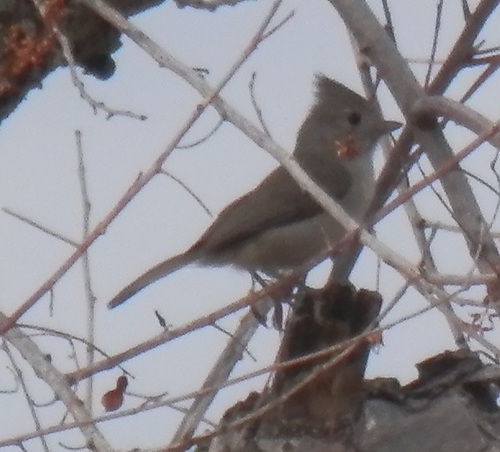 Herrerillo Unicolor
En breve
El Mosquerito Imberbe y el Herrerillo Unicolor se pueden distinguir por la forma de su pico y sus vocalizaciones. El mosquerito tiene un pico comprimido, arqueado y similar al de un vireo, mientras que el herrerillo tiene un pico más típico de su especie. Escucha el distintivo canto agudo 'pee-pee-pee' del Mosquerito Imberbe.
Consejos de identificación
- Bill Shape: Busca el pico comprimido, arqueado y similar al de un vireo del Mosquerito Imberbe.
- Vocalization: Escucha el canto agudo 'pee-pee-pee' del Mosquerito Imberbe.
Comportamiento
El Mosquerito Imberbe rara vez caza al vuelo y en su lugar recoge insectos de la corteza y el follaje, mientras que el Herrerillo Unicolor es más probable que se vea forrajeando activamente en los árboles.
Voz
El Mosquerito Imberbe se identifica mejor por su canto agudo 'pee-pee-pee'.
Mosquerito Imberbe · Herrerillo Unicolor · Mis aves difíciles