
Zorzal Sabiá vs Zorzal Cuelliblanco Sureño
Turdus leucomelas frente a Turdus albicollis
Juega un quiz con Zorzal Sabiá y Zorzal Cuelliblanco Sureño
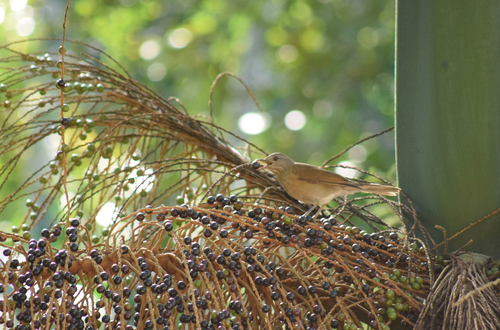 Zorzal Sabiá
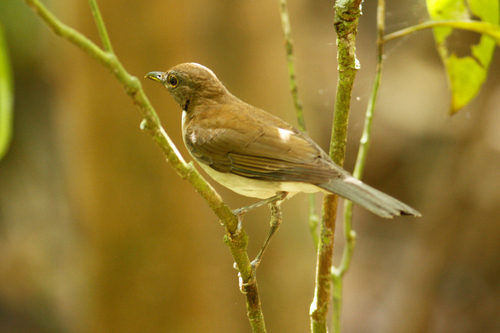 Zorzal Cuelliblanco Sureño
En breve
El Zorzal Sabiá y el Zorzal Cuelliblanco Sureño se pueden distinguir por sus hábitats preferidos y sutiles diferencias en el plumaje. El Zorzal Sabiá es más adaptable a áreas perturbadas por humanos, mientras que el Zorzal Cuelliblanco Sureño se encuentra típicamente en interiores de bosques.
Consejos de identificación
Busque el Zorzal Sabiá en áreas abiertas y entornos perturbados por humanos. Verifique el parche blanco en el cuello del Zorzal Cuelliblanco Sureño, especialmente en hábitats boscosos.
Plumaje
El Zorzal Sabiá tiene un pecho pálido más uniforme, mientras que el Zorzal Cuelliblanco Sureño puede mostrar un distintivo parche blanco en el cuello, especialmente en su forma de flancos rufo.
Comportamiento
Los Zorzales Sabiá a menudo forrajean en jardines y plantaciones de frutas, mientras que los Zorzales Cuelliblanco Sureño son más propensos a ser vistos en árboles frutales dentro de los bosques y pueden unirse a enjambres de hormigas.
Hábitat
Los Zorzales Sabiá están bien adaptados a las perturbaciones humanas y se encuentran frecuentemente en áreas abiertas. En contraste, los Zorzales Cuelliblanco Sureño prefieren el interior del bosque.
Zorzal Sabiá · Zorzal Cuelliblanco Sureño · Mis aves difíciles