
Chorlitejo Silbador vs Chorlitejo Siberiano
Charadrius melodus frente a Anarhynchus mongolus
Juega un quiz con Chorlitejo Silbador y Chorlitejo Siberiano
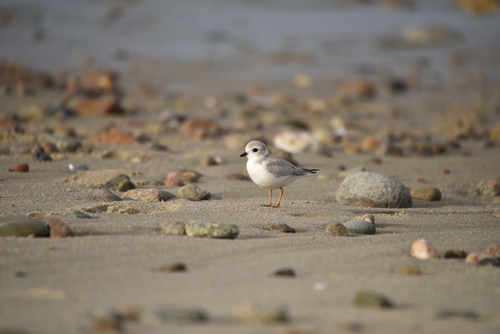 Chorlitejo Silbador
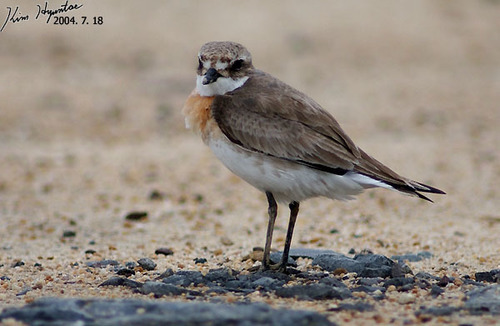 Chorlitejo Siberiano
En breve
El Chorlitejo Silbador y el Chorlitejo Siberiano se pueden distinguir por sus preferencias de hábitat y plumaje durante la temporada de cría. El Chorlitejo Silbador se encuentra típicamente en playas y llanuras de arena de América del Norte, mientras que el Chorlitejo Siberiano frecuenta llanuras intermareales en Asia y Australia. En plumaje de cría, el Chorlitejo Siberiano tiene un pecho naranja y máscara negra, a diferencia del Chorlitejo Silbador.
Consejos de identificación
Busque el pecho naranja y máscara negra del Chorlitejo Siberiano durante la temporada de cría. Considere el hábitat: los Chorlitejos Silbadores están en playas de América del Norte, mientras que los Chorlitejos Siberianos están en llanuras intermareales de Asia y Australia.
Plumaje
En plumaje de cría, el Chorlitejo Siberiano tiene un pecho naranja y máscara negra, que no está presente en el Chorlitejo Silbador. El Chorlitejo Silbador puede tener una banda de cuello completa o parcial, dependiendo de la subespecie.
Comportamiento
El Chorlitejo Siberiano se encuentra a menudo en grandes bandadas algo dispersas en llanuras intermareales, mientras que el Chorlitejo Silbador es más solitario o se encuentra en pequeños grupos.
Hábitat
El Chorlitejo Silbador habita en playas, llanuras alcalinas y llanuras de arena de América del Norte, mientras que el Chorlitejo Siberiano se encuentra a lo largo de las costas de Asia y Australia, particularmente en llanuras intermareales.
Chorlitejo Silbador · Chorlitejo Siberiano · Mis aves difíciles