
Colimbo Chico vs Cormorán Grande
Gavia stellata frente a Phalacrocorax carbo
Juega un quiz con Colimbo Chico y Cormorán Grande
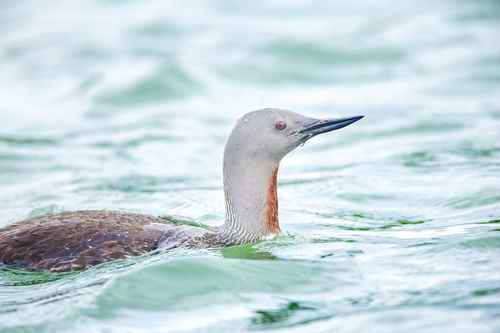 Colimbo Chico
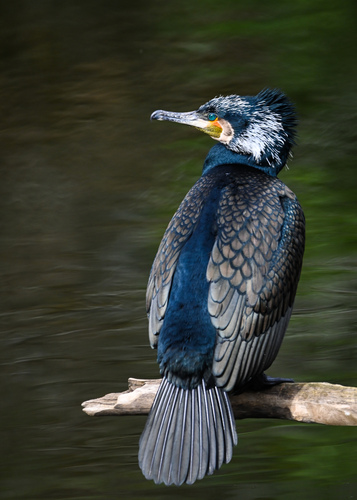 Cormorán Grande
En breve
El Colimbo Chico y el Cormorán Grande son distintos tanto en estructura como en comportamiento. El Colimbo Chico es más pequeño y tiene una distintiva mancha roja en la garganta, mientras que el Cormorán Grande es más grande y carece de esta característica. Sus hábitats y comportamientos de forrajeo también difieren significativamente.
Consejos de identificación
Busca la mancha roja en la garganta en el Colimbo Chico, especialmente durante la temporada de cría. Nota el tamaño más pequeño y la construcción más esbelta en comparación con el voluminoso Cormorán Grande. Observa el comportamiento de forrajeo: los Colimbos Chicos vuelan entre los sitios de cría y alimentación, mientras que los Cormoranes Grandes se zambullen desde la superficie.
Tamaño
El Colimbo Chico es más pequeño que el Cormorán Grande.
Plumaje
El Colimbo Chico tiene un plumaje gris relativamente simple con una distintiva mancha roja en la garganta, mientras que el Cormorán Grande carece de esta mancha roja y tiene un plumaje oscuro más uniforme.
Comportamiento
El Colimbo Chico es un forrajero de lugar central, volando entre áreas de cría y forrajeo, mientras que el Cormorán Grande se alimenta zambulléndose desde la superficie y a menudo se encuentra en bandadas.
Hábitat
El Colimbo Chico cría en pequeños lagos árticos y boreales, a menudo forrajeando en hábitats marinos costeros. El Cormorán Grande es más versátil, alimentándose en varios entornos acuáticos, incluyendo marinos y de agua dulce.
Voz
El canto del Colimbo Chico durante la cría se describe como cacofónico, en contraste con el Cormorán Grande, que no se destaca por vocalizaciones distintivas.