
Colimbo Chico vs Suimanga Gorjirrojo
Gavia stellata frente a Anthreptes rhodolaemus
Juega un quiz con Colimbo Chico y Suimanga Gorjirrojo
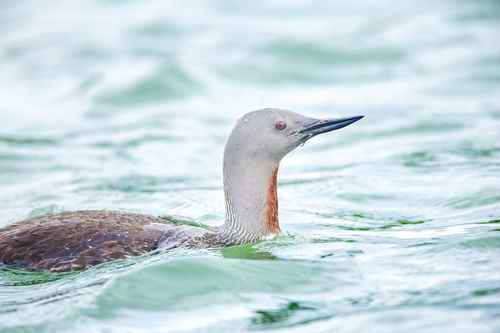 Colimbo Chico
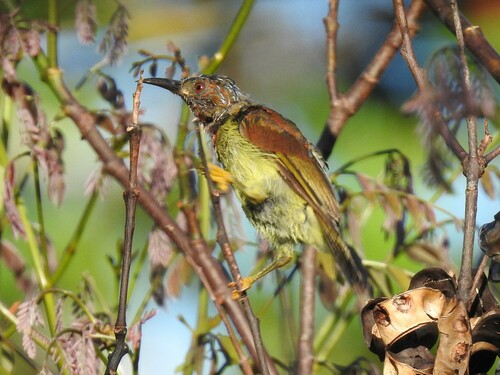 Suimanga Gorjirrojo
En breve
El Colimbo Chico (Gavia stellata) y el Suimanga Gorjirrojo (Anthreptes rhodolaemus) se distinguen fácilmente por sus hábitats y plumaje. El Colimbo es un ave acuática con plumaje gris liso y una distintiva mancha roja en la garganta, mientras que el Suimanga es un pequeño paseriforme colorido más típico de entornos tropicales.
Consejos de identificación
Busca al Colimbo en entornos costeros o lacustres, especialmente en regiones más frías, y observa su plumaje gris liso con una garganta roja. El Suimanga se encontrará en áreas tropicales, probablemente con plumaje más colorido.
Tamaño
El Colimbo Chico es significativamente más grande, siendo un ave acuática, en comparación con el pequeño Suimanga Gorjirrojo.
Plumaje
El Colimbo Chico tiene un plumaje gris relativamente liso con una mancha roja en la garganta. El Suimanga, típicamente, tendría un plumaje más vibrante y variado, característico de los suimangas.
Comportamiento
El Colimbo es un forrajero de lugar central, volando entre áreas de cría y forrajeo, mientras que el comportamiento del Suimanga sería más típico de los paseriformes, probablemente involucrando la alimentación de néctar.
Hábitat
El Colimbo cría en lagos árticos y boreales y pasa el invierno a lo largo de las costas, mientras que el Suimanga se encuentra probablemente en entornos tropicales, como bosques.
Voz
El canto del Colimbo se describe como cacofónico, en contraste con los llamados probablemente más melódicos de un suimanga.