
Mosquero Terrestre Sureño vs Titirijí Pechigrís
Corythopis delalandi frente a Hemitriccus diops
Juega un quiz con Mosquero Terrestre Sureño y Titirijí Pechigrís
 Mosquero Terrestre Sureño
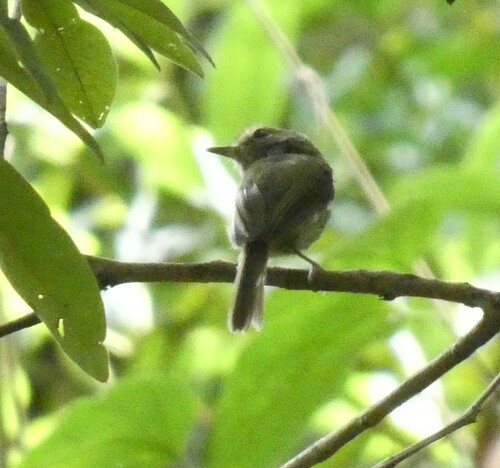 Titirijí Pechigrís
En breve
El Mosquero Terrestre Sureño y el Titirijí Pechigrís se pueden distinguir principalmente por sus preferencias de hábitat y comportamiento. El Mosquero Terrestre Sureño se escucha más a menudo que se ve y no se asocia con bandadas mixtas, mientras que el comportamiento del Titirijí Pechigrís está menos documentado en las notas.
Consejos de identificación
Hábitat: Busca el Mosquero Terrestre Sureño en bosques primarios y secundarios maduros o pequeños lotes de madera degradados. Comportamiento: Ten en cuenta que el Mosquero Terrestre Sureño se escucha a menudo en lugar de verse y no se une a bandadas mixtas.
Comportamiento
El Mosquero Terrestre Sureño se escucha más a menudo que se ve y no se asocia con bandadas mixtas, lo que lo hace más accesible una vez encontrado.
Hábitat
El Mosquero Terrestre Sureño habita en bosques primarios y secundarios maduros y se puede encontrar en pequeños lotes de madera degradados.
Mosquero Terrestre Sureño · Titirijí Pechigrís · Mis aves difíciles