
Tororoí de Natterer vs Huet-Huet Gorjinegro
Cryptopezus nattereri frente a Pteroptochos tarnii
Juega un quiz con Tororoí de Natterer y Huet-Huet Gorjinegro
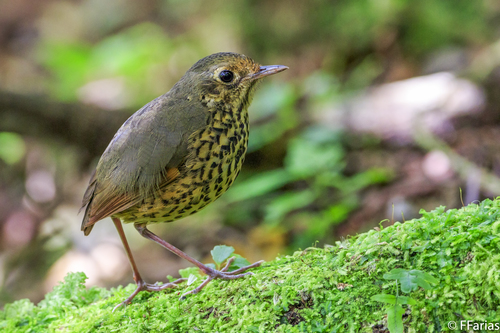 Tororoí de Natterer
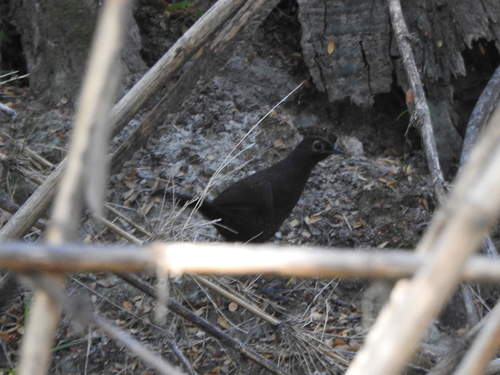 Huet-Huet Gorjinegro
En breve
El Tororoí de Natterer y el Huet-Huet Gorjinegro son distintos tanto en apariencia como en comportamiento, lo que los hace relativamente fáciles de diferenciar en el campo. El Antpitta es conocido por su pecho moteado, mientras que el Huet-huet presenta una garganta negra y partes inferiores castañas escamosas. Sus hábitats no se superponen, con el Antpitta encontrado en regiones más xerófitas y el Huet-huet en bosques patagónicos.
Consejos de identificación
Revisa el plumaje: Busca el pecho moteado del Antpitta frente a la garganta negra y las partes inferiores castañas del Huet-huet. Observa el comportamiento: Los hábitos de anidación del Huet-huet en madrigueras o cavidades de árboles pueden ser una pista. Considera el hábitat: Nota el entorno; el Antpitta se encuentra en regiones xerófitas, mientras que el Huet-huet está en bosques patagónicos.
Plumaje
El Tororoí de Natterer tiene un pecho moteado, mientras que el Huet-Huet Gorjinegro tiene una garganta negra y partes inferiores castañas escamosas con una gorra castaña.
Comportamiento
El Huet-Huet Gorjinegro es conocido por su capacidad para excavar madrigueras o usar cavidades de árboles para anidar, un comportamiento no observado en el Tororoí de Natterer.
Hábitat
El Tororoí de Natterer prefiere ambientes más xerófitos, mientras que el Huet-Huet Gorjinegro está asociado con el bosque patagónico.
Voz
El Huet-Huet Gorjinegro tiene una canción distintiva de ululación de tono bajo, que no se menciona para el Tororoí de Natterer.
Tororoí de Natterer · Huet-Huet Gorjinegro · Mis aves difíciles