
Cuclillo Crespín vs Cuco Hormiguero Ventrirrufo
Tapera naevia frente a Neomorphus geoffroyi
Juega un quiz con Cuclillo Crespín y Cuco Hormiguero Ventrirrufo
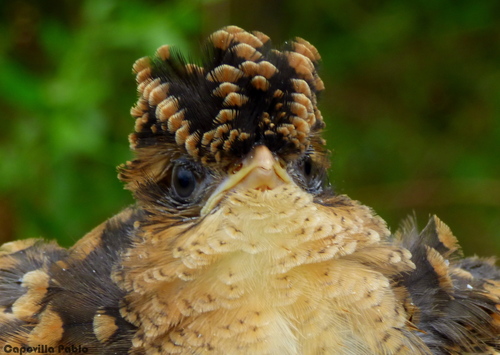 Cuclillo Crespín
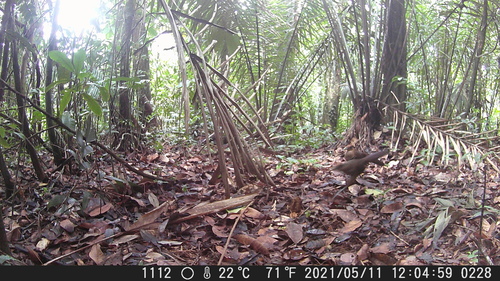 Cuco Hormiguero Ventrirrufo
En breve
El Cuclillo Crespín y el Cuco Hormiguero Ventrirrufo se pueden distinguir por sus preferencias de hábitat y plumaje. El Cuclillo Crespín es más probable que se vea en áreas abiertas, mientras que el Cuco Hormiguero Ventrirrufo se encuentra típicamente en matorrales densos. Las principales diferencias visuales incluyen la piel facial azul brillante del Cuco Hormiguero Ventrirrufo y las plumas rufas en el vientre inferior.
Consejos de identificación
- Busca la piel facial azul brillante y las plumas rufas en el vientre inferior para identificar al Cuco Hormiguero Ventrirrufo.
- Observa el hábitat: las áreas abiertas sugieren Cuclillo Crespín, los matorrales densos sugieren Cuco Hormiguero Ventrirrufo.
- Escucha el profundo arrullo y los sonidos de chasquido del pico del Cuco Hormiguero Ventrirrufo.
Plumaje
El Cuco Hormiguero Ventrirrufo tiene una banda negra en el pecho, plumas rufas en el vientre inferior y piel facial azul brillante. En contraste, el Cuclillo Crespín carece de estas características distintivas.
Comportamiento
El Cuco Hormiguero Ventrirrufo se ve a menudo siguiendo enjambres de hormigas y es conocido por su comportamiento furtivo, desapareciendo frecuentemente en el matorral.
Hábitat
El Cuclillo Crespín se encuentra típicamente en áreas más abiertas, mientras que el Cuco Hormiguero Ventrirrufo prefiere matorrales densos.
Voz
El Cuco Hormiguero Ventrirrufo se puede detectar por sus vocalizaciones de arrullo profundas y prolongadas y sonidos de chasquido del pico cuando está alarmado. No se proporciona información específica sobre la vocalización del Cuclillo Crespín.
Cuclillo Crespín · Cuco Hormiguero Ventrirrufo · Mis aves difíciles