
Bienteveo Ventriazufrado vs Tuquito Gris
Myiodynastes luteiventris frente a Empidonomus aurantioatrocristatus
Juega un quiz con Bienteveo Ventriazufrado y Tuquito Gris
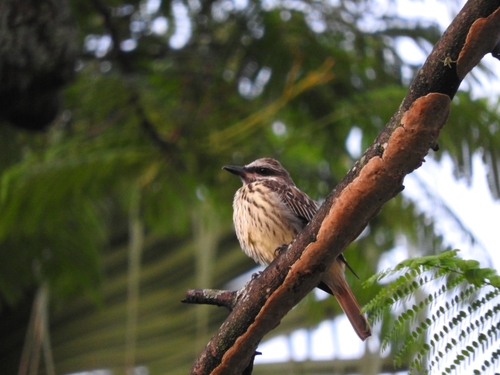 Bienteveo Ventriazufrado
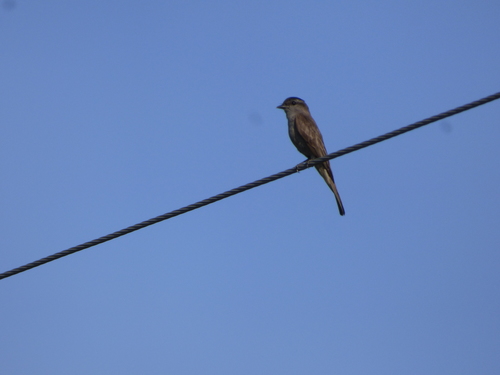 Tuquito Gris
En breve
El Bienteveo Ventriazufrado y el Tuquito Gris se pueden distinguir por su plumaje y comportamiento. El Bienteveo Ventriazufrado tiene una apariencia rayada distintiva, mientras que el Tuquito Gris es conocido por su coloración grisácea y comportamiento migratorio. Observar su comportamiento y hábitats preferidos también puede ayudar en la identificación.
Consejos de identificación
- Busca el plumaje rayado del Bienteveo Ventriazufrado.
- Nota la coloración grisácea del Tuquito Gris, especialmente en los adultos.
- Observa el comportamiento: los Tuquitos Grises a menudo se ven en las copas de los árboles durante la migración.
- Considera el hábitat: los Tuquitos Grises prefieren bosques abiertos y copas de árboles emergentes.
Plumaje
El Bienteveo Ventriazufrado tiene una apariencia rayada con un vientre amarillento, mientras que el Tuquito Gris tiene una coloración grisácea más uniforme, que puede parecerse más a un Tuquito Rayado en plumaje juvenil.
Comportamiento
El Tuquito Gris es altamente migratorio, a menudo encontrado en las copas de árboles emergentes durante el invierno. En contraste, el comportamiento del Bienteveo Ventriazufrado es menos migratorio y más localizado.
Hábitat
El Tuquito Gris cría en bosques abiertos y a menudo se encuentra en las copas de los árboles de bosques de tierras bajas durante el invierno. El Bienteveo Ventriazufrado no tiene notas de hábitat tan específicas en los datos proporcionados.
Bienteveo Ventriazufrado · Tuquito Gris · Mis aves difíciles