
Vireo Piquigrueso vs Chingolo Costero
Vireo crassirostris frente a Ammospiza maritima
Juega un quiz con Vireo Piquigrueso y Chingolo Costero
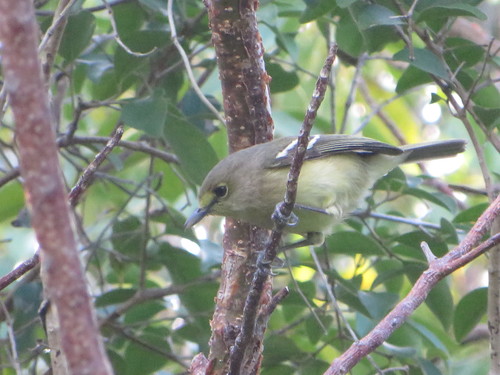 Vireo Piquigrueso
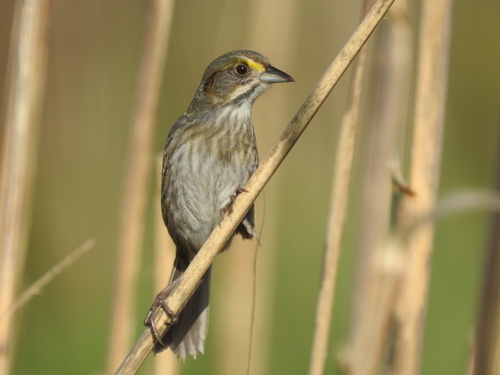 Chingolo Costero
En breve
El Vireo Piquigrueso y el Chingolo Costero son distintos en estructura y hábitat. El vireo tiene un pico notablemente grueso y se encuentra a menudo en áreas arbustivas, mientras que el chingolo tiene un pico más esbelto y prefiere los pantanos costeros. Estas diferencias son clave para identificarlos en el campo.
Consejos de identificación
1. Forma del Pico: El Vireo Piquigrueso tiene un pico grueso y robusto, mientras que el Chingolo Costero tiene un pico más esbelto. 2. Hábitat: Busca el Vireo Piquigrueso en áreas arbustivas y el Chingolo Costero en pantanos costeros.
Hábitat
Los Vireos Piquigruesos se encuentran típicamente en áreas arbustivas, mientras que los Chingolos Costeros prefieren los pantanos costeros.