
Golondrina Bicolor vs Golondrina Purpúrea
Tachycineta bicolor frente a Progne subis
Juega un quiz con Golondrina Bicolor y Golondrina Purpúrea
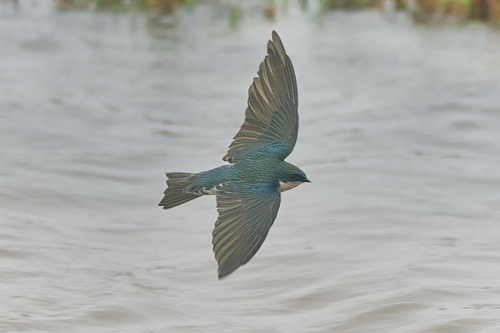 Golondrina Bicolor
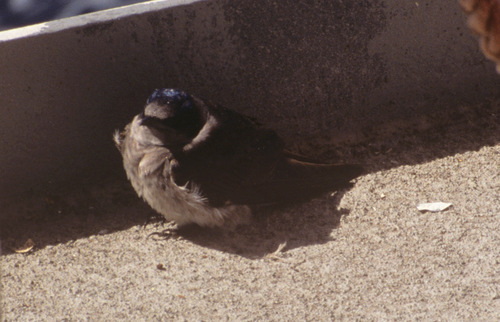 Golondrina Purpúrea
En breve
Las Golondrinas Bicolor y las Golondrinas Purpúreas se pueden distinguir principalmente por su tamaño y plumaje. Las Golondrinas Bicolor son más pequeñas con partes superiores iridiscentes de color azul-verde, mientras que las Golondrinas Purpúreas son más grandes y exhiben un plumaje oscuro más uniforme en los machos. Ambas especies son insectívoras aéreas, pero difieren en sus hábitats de anidación preferidos.
Consejos de identificación
Tamaño y plumaje: Nota el tamaño más pequeño y las partes superiores azul-verde de las Golondrinas Bicolor en comparación con las Golondrinas Purpúreas, que son más grandes y de plumaje oscuro uniforme. Hábitat: Observa la ubicación del nido; las Golondrinas Bicolor son más propensas a estar cerca de cuerpos de agua naturales, mientras que las Golondrinas Purpúreas a menudo utilizan estructuras hechas por humanos.
Tamaño
Las Golondrinas Bicolor son más pequeñas que las Golondrinas Purpúreas.
Plumaje
Las Golondrinas Bicolor tienen partes superiores iridiscentes de color azul-verde y partes inferiores blancas, mientras que los machos de las Golondrinas Purpúreas son de un color oscuro uniforme con un brillo púrpura-negro. Las hembras y los jóvenes de las Golondrinas Purpúreas tienen partes inferiores más claras, pero aún parecen más oscuras en general que las Golondrinas Bicolor.
Hábitat
Las Golondrinas Bicolor se encuentran a menudo cerca de cuerpos de agua y campos abiertos, mientras que las Golondrinas Purpúreas prefieren áreas abiertas cerca de la vivienda humana, anidando a menudo en estructuras hechas por el hombre.
Golondrina Bicolor · Golondrina Purpúrea · Mis aves difíciles