
Anteojitos Japonés vs Anteojitos Oriental
Zosterops japonicus frente a Zosterops palpebrosus
Juega un quiz con Anteojitos Japonés y Anteojitos Oriental
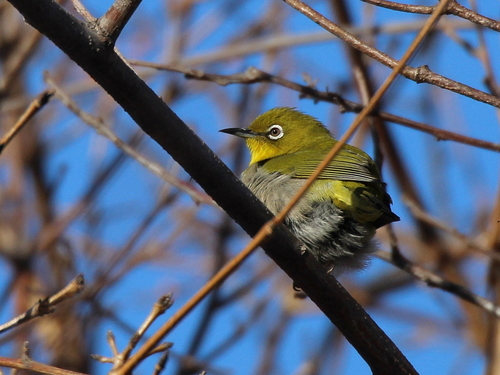 Anteojitos Japonés
 Anteojitos Oriental
En breve
El Anteojitos Japonés y el Anteojitos Oriental son similares en apariencia, pero se pueden distinguir por sutiles diferencias en el plumaje y las preferencias de hábitat. El Anteojitos Japonés es generalmente más oliva por encima, mientras que el Anteojitos Oriental muestra una garganta y cobertores subcaudales de un amarillo más brillante. Ambas especies se ven a menudo en bandadas y frecuentan árboles en flor o con frutos.
Consejos de identificación
- Busca la garganta y los cobertores subcaudales de un amarillo brillante en el Anteojitos Oriental. 2. Nota la apariencia más uniforme y oliva del Anteojitos Japonés. 3. Considera la ubicación y el hábitat, ya que el Anteojitos Oriental es más común en bosques de hoja ancha perennes.
Plumaje
El Anteojitos Japonés es amarillo oliva por encima con una apariencia más uniforme, mientras que el Anteojitos Oriental es amarillo oliva por encima y gris por debajo, con una garganta y cobertores subcaudales de un amarillo brillante. Una morfología completamente amarilla del Anteojitos Oriental ocurre en el sur de Myanmar y el oeste de Tailandia.
Hábitat
El Anteojitos Oriental se encuentra en una variedad de hábitats forestales, incluyendo manglares y bosques de colinas templadas, y es más común en bosques de hoja ancha perennes de las laderas inferiores. Las preferencias de hábitat del Anteojitos Japonés no están detalladas, pero se sabe que ambas especies se agrupan en árboles en flor o con frutos.
Anteojitos Japonés · Anteojitos Oriental · Mis aves difíciles