
Tinamú Ventriblanco vs Tinamú Manchado
Nothura boraquira frente a Nothura maculosa
Juega un quiz con Tinamú Ventriblanco y Tinamú Manchado
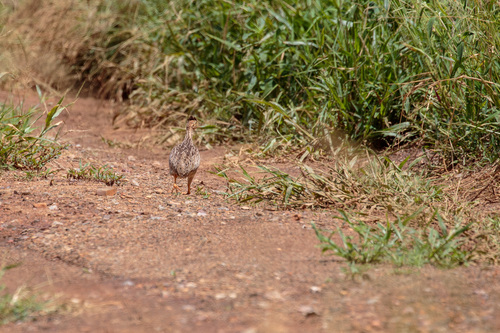 Tinamú Ventriblanco
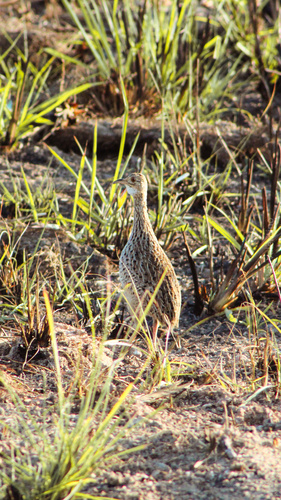 Tinamú Manchado
En breve
El Tinamú Ventriblanco se identifica mejor por sus partes inferiores blanquecinas sin patrón y sus brillantes patas amarillas mostaza, mientras que el Tinamú Manchado tiene un plumaje más patrón. Ambas especies son similares en estructura, pero estas diferencias de color son clave para distinguirlas.
Consejos de identificación
- Busca las partes inferiores blanquecinas sin patrón y las brillantes patas amarillas mostaza del Tinamú Ventriblanco.
- Nota el plumaje más patrón del Tinamú Manchado.
- Observa el comportamiento: el Tinamú Ventriblanco puede verse tomando refugio en madrigueras.
Plumaje
El Tinamú Ventriblanco tiene partes inferiores blanquecinas sin patrón y brillantes patas amarillas mostaza. En contraste, el Tinamú Manchado presenta un plumaje más patrón.
Comportamiento
El Tinamú Ventriblanco es conocido por ser tímido y esquivo, a veces tomando refugio en madrigueras hechas por otros animales como los armadillos. A menudo forrajea picoteando semillas, raíces y frutas del suelo.
Hábitat
El Tinamú Ventriblanco se puede ver a menudo a lo largo de caminos secundarios y en claros.