
Abejaruco Frentiblanco vs Cistícola Buitrón
Merops bullockoides frente a Cisticola juncidis
Juega un quiz con Abejaruco Frentiblanco y Cistícola Buitrón
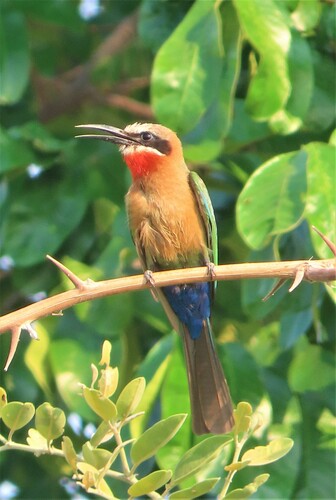 Abejaruco Frentiblanco
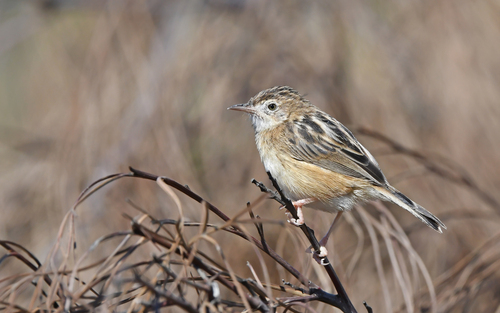 Cistícola Buitrón
En breve
El Abejaruco Frentiblanco y el Cistícola Buitrón se distinguen fácilmente por su tamaño y estructura. El abejaruco es más grande con un pico robusto y curvado, mientras que el cistícola es mucho más pequeño con un pico delgado y recto. Sus hábitats también difieren significativamente, con los abejarucos favoreciendo áreas abiertas cerca del agua y los cistícolas prefiriendo praderas.
Consejos de identificación
1. Tamaño: El Abejaruco Frentiblanco es mucho más grande. 2. Forma del Pico: El abejaruco tiene un pico robusto y curvado; el cistícola tiene un pico delgado y recto. 3. Plumaje: El abejaruco es colorido con una frente blanca; el cistícola es marrón y estriado. 4. Hábitat: El abejaruco en áreas abiertas cerca del agua; el cistícola en praderas.
Tamaño
El Abejaruco Frentiblanco es significativamente más grande que el Cistícola Buitrón.
Plumaje
El Abejaruco Frentiblanco tiene una distintiva frente blanca y plumaje colorido, mientras que el Cistícola Buitrón es más uniformemente marrón y estriado, mezclándose en entornos de pradera.
Hábitat
Los Abejarucos Frentiblancos se encuentran típicamente en áreas abiertas cerca del agua, mientras que los Cistícolas Buitrón se encuentran más comúnmente en praderas.
Abejaruco Frentiblanco · Cistícola Buitrón · Mis aves difíciles