
Tororoí Ventricanela Ecuatoriano vs Ponchito Encapuchado
Myrmothera fulviventris frente a Grallaricula cucullata
Juega un quiz con Tororoí Ventricanela Ecuatoriano y Ponchito Encapuchado
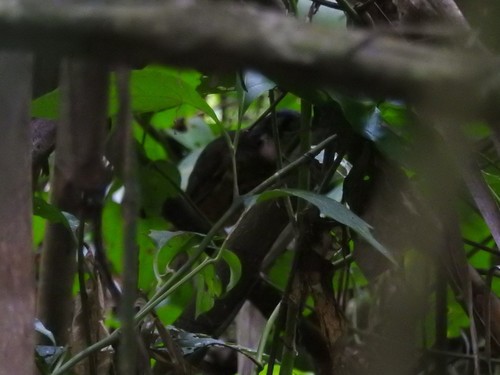 Tororoí Ventricanela Ecuatoriano
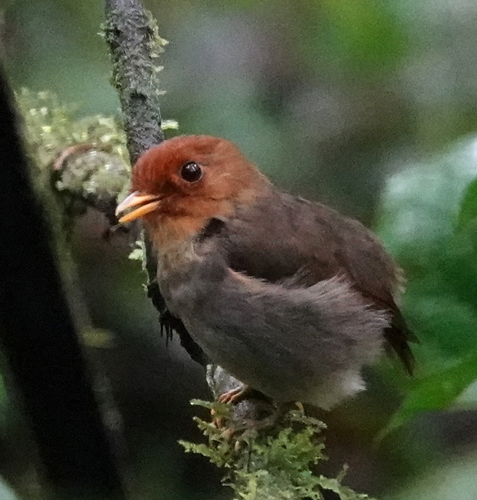 Ponchito Encapuchado
En breve
El Tororoí Ventricanela Ecuatoriano y el Ponchito Encapuchado se pueden distinguir por su plumaje y preferencias de hábitat. El Tororoí Ventricanela Ecuatoriano habita típicamente en la densa maleza de bosques de terra firme y bosques inundados estacionalmente, mientras que el Ponchito Encapuchado se encuentra en bosques montanos húmedos. El Ponchito Encapuchado se caracteriza por un distintivo arco blanco en su garganta inferior.
Consejos de identificación
- Busca el arco blanco en la garganta inferior para identificar al Ponchito Encapuchado.
- Considera el hábitat: el Tororoí Ventricanela Ecuatoriano se encuentra en bosques de tierras bajas, mientras que el Ponchito Encapuchado está en bosques montanos.
Plumaje
El Tororoí Ventricanela Ecuatoriano carece del distintivo arco blanco en la garganta inferior que está presente en el Ponchito Encapuchado. El Ponchito Encapuchado tiene una mezcla de plumaje marrón y gris.
Hábitat
El Tororoí Ventricanela Ecuatoriano ocurre en la densa maleza de bosques de terra firme y bosques inundados estacionalmente, incluyendo claros sobrecrecidos y áreas de crecimiento ribereño. En contraste, el Ponchito Encapuchado habita el denso sotobosque de bosques montanos húmedos entre 1500 y 2700 m.
Tororoí Ventricanela Ecuatoriano · Ponchito Encapuchado · Mis aves difíciles