
Pijuí Ocráceo vs Tangara Crestiamarilla
Synallaxis albilora frente a Loriotus rufiventer
Juega un quiz con Pijuí Ocráceo y Tangara Crestiamarilla
 Pijuí Ocráceo
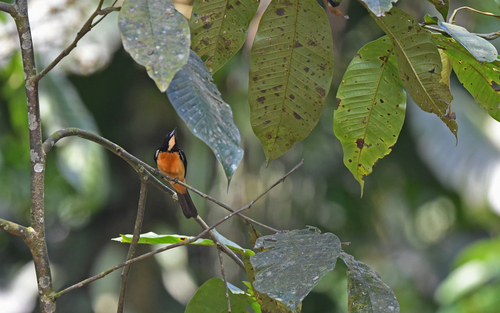 Tangara Crestiamarilla
En breve
El Pijuí Ocráceo y la Tangara Crestiamarilla se distinguen principalmente por su hábitat y plumaje. El Pijuí se encuentra en la densa maleza de bosques de galería y ribereños, mientras que la Tangara se caracteriza por su conspicua corona amarilla en los machos. Sus vocalizaciones no son una característica distintiva confiable.
Consejos de identificación
- Busca la corona amarilla en los machos de Tangara Crestiamarilla.
- Observa el hábitat: los Pijuí Ocráceos están en la densa maleza llena de enredaderas de los bosques ribereños.
- Nota el comportamiento: los Pijuí forrajean cerca del suelo, a menudo solos o en parejas.
Plumaje
El Pijuí Ocráceo tiene un plumaje más críptico adecuado para la maleza, mientras que los machos de la Tangara Crestiamarilla tienen una distintiva corona amarilla. Las hembras de la Tangara son de color oliva por encima con una garganta blanquecina y partes inferiores ocráceas amarillas.
Comportamiento
El Pijuí Ocráceo generalmente forrajea solo o en parejas cerca del suelo, a menudo entre enredos de enredaderas. Las parejas de la Tangara Crestiamarilla suelen mantenerse juntas.
Hábitat
El Pijuí Ocráceo se encuentra en la maleza de bosques de galería y ribereños, a menudo en áreas inundadas estacionalmente. La preferencia de hábitat de la Tangara Crestiamarilla no está especificada, pero probablemente sea diferente dado su distintivo plumaje y comportamiento.
Voz
Las vocalizaciones no son una característica distintiva confiable, ya que ambas especies tienen una calidad 'chirriante'.