
Zorzal Cuelliblanco Norteño vs Zorzal Pardo
Turdus assimilis frente a Turdus grayi
Juega un quiz con Zorzal Cuelliblanco Norteño y Zorzal Pardo
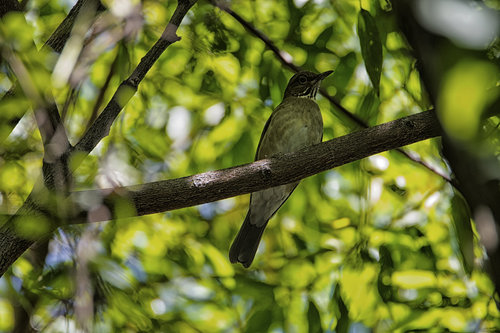 Zorzal Cuelliblanco Norteño
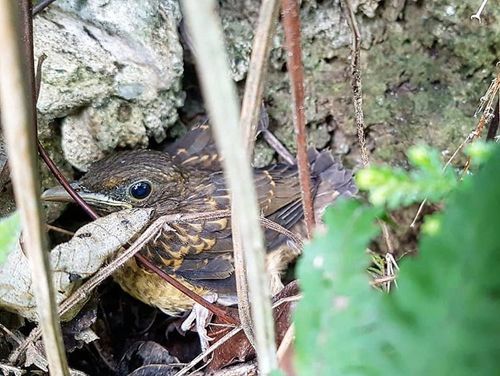 Zorzal Pardo
En breve
El Zorzal Cuelliblanco Norteño se distingue por su 'collar' blanco en la parte superior del pecho, mientras que el Zorzal Pardo carece de esta característica y tiene un plumaje marrón más uniforme. Ambas especies habitan regiones similares, pero el Zorzal Cuelliblanco Norteño está más asociado con bosques húmedos y elevaciones más altas.
Consejos de identificación
- Busca el 'collar' blanco en la parte superior del pecho del Zorzal Cuelliblanco Norteño.
- Nota el plumaje marrón más uniforme del Zorzal Pardo.
- Considera el hábitat: los Zorzales Cuelliblancos Norteños son más probables en bosques húmedos a elevación, mientras que los Zorzales Pardos son comunes en entornos variados y urbanos.
Plumaje
El Zorzal Cuelliblanco Norteño presenta un 'collar' blanco en la parte superior del pecho, contrastando con su plumaje gris y marrón. El Zorzal Pardo, por otro lado, tiene una apariencia marrón más uniforme sin la distintiva marca blanca.
Hábitat
El Zorzal Cuelliblanco Norteño se encuentra típicamente en bosques húmedos de laderas y montañas, a menudo en elevaciones más altas. En contraste, el Zorzal Pardo es más adaptable a varios hábitats, incluidos jardines y áreas urbanas.
Zorzal Cuelliblanco Norteño · Zorzal Pardo · Mis aves difíciles