
Reinita Gorjiamarilla vs Reinita Galana
Setophaga dominica frente a Setophaga discolor
Juega un quiz con Reinita Gorjiamarilla y Reinita Galana
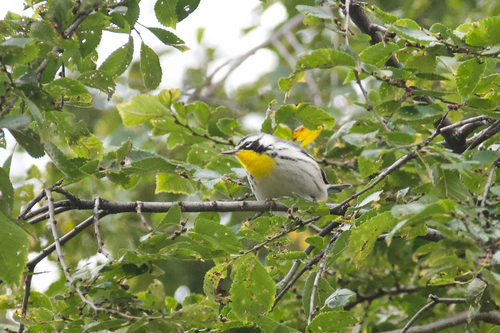 Reinita Gorjiamarilla
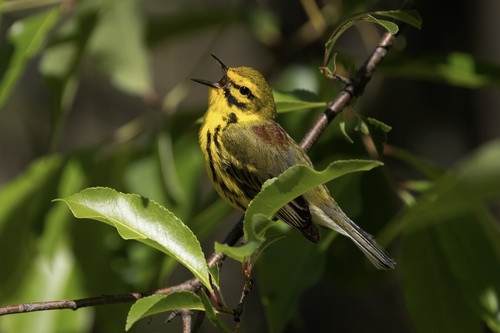 Reinita Galana
En breve
La Reinita Gorjiamarilla y la Reinita Galana se pueden distinguir por su comportamiento de forrajeo y preferencias de hábitat. La Reinita Gorjiamarilla a menudo forajea de manera similar a un trepador en lo alto del dosel, mientras que la Reinita Galana se encuentra más comúnmente en áreas arbustivas o abiertas. Ambas especies tienen plumaje distintivo, pero su comportamiento y hábitat son más fiables para la identificación.
Consejos de identificación
1. Comportamiento de forrajeo: Busca los movimientos similares a un trepador de la Reinita Gorjiamarilla en el dosel. 2. Hábitat: Nota el hábitat; las Reinita Gorjiamarilla están en áreas boscosas, mientras que las Reinita Galana están en hábitats arbustivos o abiertos.
Comportamiento
La Reinita Gorjiamarilla exhibe un comportamiento de forrajeo similar a un trepador, moviéndose a menudo de manera deliberada a lo largo de los troncos y ramas de los árboles. En contraste, la Reinita Galana es más activa en áreas arbustivas.
Hábitat
Las Reinita Gorjiamarilla se encuentran típicamente en tierras bajas de arroyos boscosos, pantanos de cipreses y bosques de pinos secos en tierras altas. Las Reinita Galana prefieren áreas arbustivas o abiertas.