
Viréo à ailes jaunes
Vireo carmioli
Vireos, Shrike-Babblers, and Erpornis (Vireonidae) · Passeriformes (Passeriformes)
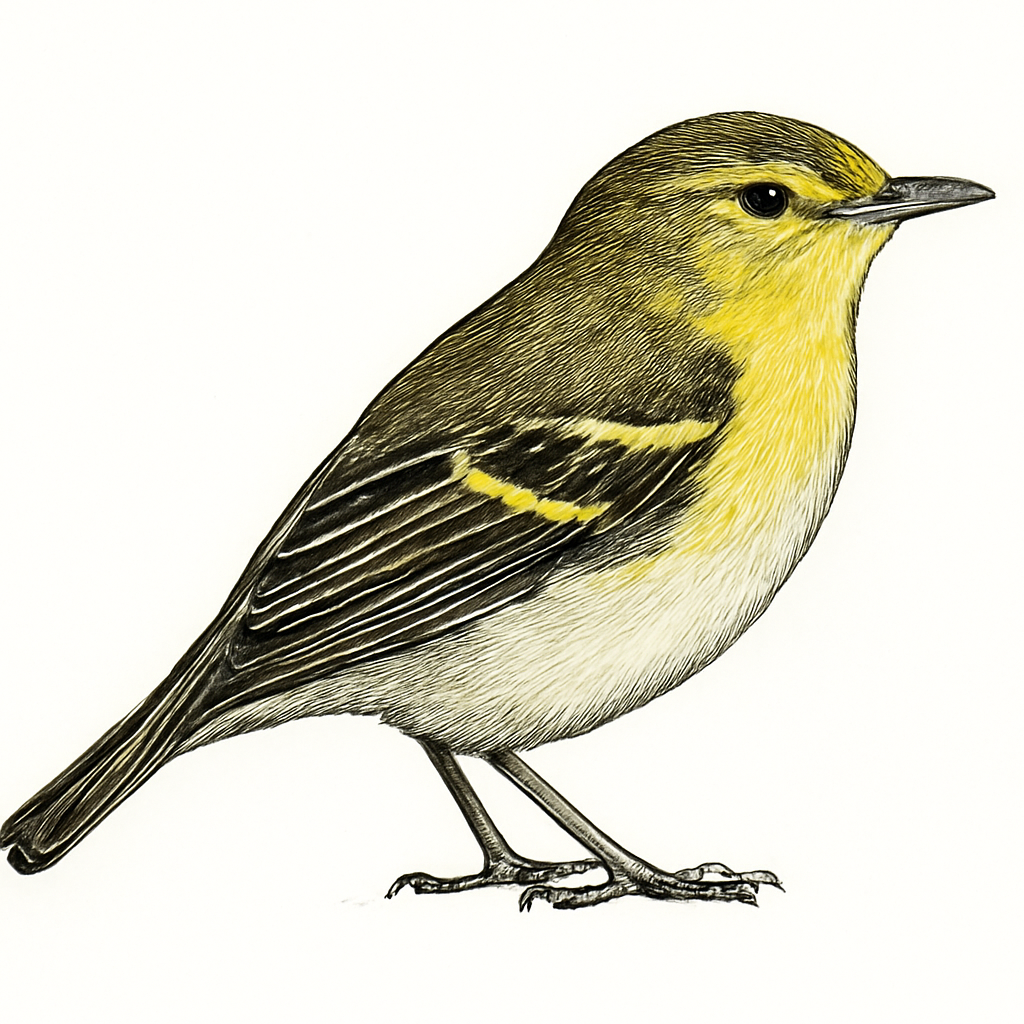
Faire un quiz avec Viréo à ailes jaunes et des espèces similaires
Voir toutes les photos, vidéos et sons
Relecture nécessaire
Birdr est un projet communautaire, et beaucoup de photos attendent encore un œil humain. Si tu connais cet oiseau, tu peux aider en relisant ses images.
Souvent mélangé avec
Dans les quiz, les joueurs confondent le plus souvent Viréo à ailes jaunes avec ces oiseaux—soit cette espèce a été choisie par erreur, soit l’inverse.
| Espèces | Confusions |
|---|---|
| Viréo des mangroves Vireo pallens | 3 |
| Oxyrhynque huppé Oxyruncus cristatus | 1 |
| Viréo à tête bleue Vireo solitarius | 1 |
| Viréo jaune-verdâtre Vireo flavoviridis | 1 |
| Paruline à flancs marron Setophaga pensylvanica | 1 |
Famille
The vireos make up a family, Vireonidae, of small to medium-sized passerine birds found in the New World (Canada to Argentina, including Bermuda and the West Indies) and Southeast Asia. The family contains 62 species and is divided into eight genera. "Vireo" is a Latin word referring to a green migratory bird, perhaps the female golden oriole, possibly the European greenfinch.
Ordre
A passerine () is any bird of the order Passeriformes (; from Latin passer 'sparrow' and formis '-shaped'), which includes more than half of all bird species. Sometimes known as perching birds, passerines generally have an anisodactyl arrangement of their toes (three pointing forward and one back), which facilitates perching. With more than 140 families and some 6,500 identified species, Passeriformes is the largest order of birds and one of the most diverse clades of terrestrial vertebrates, representing 60% of …