
Cratérope indien vs Sittelle des rochers
Argya caudata contre Sitta tephronota
Faire un quiz avec Cratérope indien et Sittelle des rochers
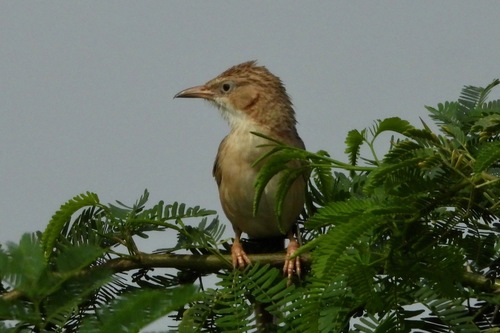 Cratérope indien
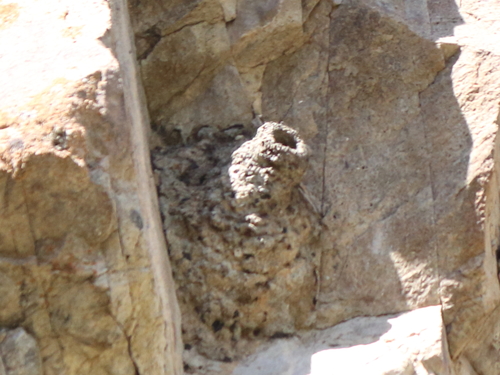 Sittelle des rochers
En bref
Le Cratérope indien et la Sittelle des rochers sont distincts tant par leur apparence que par leur comportement. Le Cratérope indien est un petit oiseau social souvent trouvé en groupes, tandis que la Sittelle des rochers est généralement solitaire et associée à des habitats rocheux. Leurs vocalisations diffèrent également, ce qui aide à l'identification.
Conseils d’identification
Cherchez le Cratérope indien en groupes dans des zones ouvertes, et notez son plumage plus uniforme. En revanche, trouvez la Sittelle des rochers seule sur des surfaces rocheuses, avec un motif de plumage plus contrasté.
Plumage
Le Cratérope indien a un plumage plus uniforme et subtil, souvent brunâtre, tandis que la Sittelle des rochers présente une apparence plus contrastée avec un motif de couleur distinct.
Comportement
Les Cratérope indiens sont souvent vus en groupes, s'engageant dans des comportements coopératifs, tandis que les Sittelles des rochers sont plus solitaires et sont souvent observées accrochées à des surfaces rocheuses.
Habitat
Les Cratérope indiens se trouvent dans des zones ouvertes et broussailleuses, tandis que les Sittelles des rochers sont associées à des terrains rocheux et des falaises.
Voix
Les vocalisations du Cratérope indien et de la Sittelle des rochers sont différentes, ce qui peut être un outil d'identification utile sur le terrain.
Cratérope indien · Sittelle des rochers · Mes oiseaux difficiles