
Troglodyte de Latham vs Tangara fourchu
Cistothorus platensis contre Rauenia bonariensis
Faire un quiz avec Troglodyte de Latham et Tangara fourchu
 Troglodyte de Latham
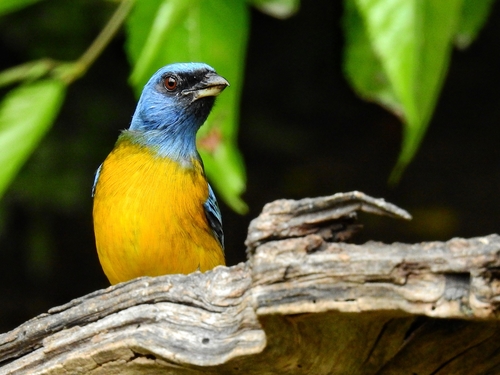 Tangara fourchu
En bref
Le Troglodyte de Latham et la Tangara fourchu se distinguent facilement par leur plumage : le Troglodyte de Latham est principalement brun avec des marques subtiles, tandis que la Tangara fourchu est colorée de manière vive avec du bleu et du jaune. En termes de comportement, le Troglodyte de Latham est connu pour ses vocalisations complexes, tandis que la Tangara fourchu est moins vocale.
Conseils d’identification
Plumage : Recherchez les couleurs vives bleu et jaune de la Tangara fourchu par rapport à l'apparence brune et camouflée du Troglodyte de Latham. Comportement : Écoutez les chants complexes et variés du Troglodyte de Latham, qui ne sont pas égalés par la Tangara fourchu.
Plumage
Le Troglodyte de Latham a un plumage principalement brun avec des marques subtiles, ce qui le rend bien camouflé dans son habitat herbeux. En revanche, la Tangara fourchu est colorée de manière vive, avec un plumage bleu et jaune frappant qui se démarque.
Comportement
Le Troglodyte de Latham est connu pour ses extraordinaires capacités vocales, les mâles ayant un répertoire de centaines de chansons différentes. La Tangara fourchu est moins vocale et visuellement plus frappante.
Voix
Le Troglodyte de Latham excelle dans ses capacités vocales, avec un large répertoire de chansons. La Tangara fourchu ne partage pas cette caractéristique.
Troglodyte de Latham · Tangara fourchu · Mes oiseaux difficiles