
Vanneau à tête grise vs Bruant à oreillons
Vanellus cinereus contre Emberiza fucata
Faire un quiz avec Vanneau à tête grise et Bruant à oreillons
 Vanneau à tête grise
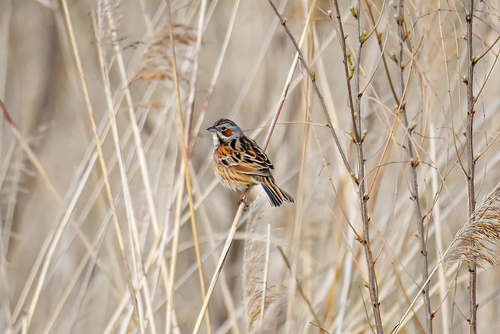 Bruant à oreillons
En bref
Le Vanneau à tête grise et le Bruant à oreillons sont distincts tant par leur apparence que par leur préférence d'habitat. Le vanneau est un échassier avec une tête grise et de longues pattes, tandis que le bruant est un petit passereau avec une tache auriculaire châtaigne. Observer leur environnement peut rapidement aider à les différencier.
Conseils d’identification
Check the habitat: Vanneaux dans les zones humides, bruants dans les champs. Observe size and shape: Vanneaux sont plus grands avec de longues pattes; bruants sont petits avec un corps plus compact. Look for distinctive plumage: Vanneaux ont des têtes grises; bruants ont des taches auriculaires châtaigne.
Taille
Le Vanneau à tête grise est significativement plus grand, avec de longues pattes typiques des échassiers, tandis que le Bruant à oreillons est un petit oiseau chanteur.
Plumage
Le Vanneau à tête grise a une tête grise et un ventre blanc contrastant, tandis que le Bruant à oreillons présente une tache auriculaire châtaigne distinctive et un corps strié.
Habitat
Les Vanneaux à tête grise se trouvent généralement dans des zones humides, tandis que les Bruants à oreillons préfèrent les champs ouverts et les prairies.
Vanneau à tête grise · Bruant à oreillons · Mes oiseaux difficiles