
Étourneau pie vs Capucin à dos marron
Gracupica contra contre Lonchura malacca
Faire un quiz avec Étourneau pie et Capucin à dos marron
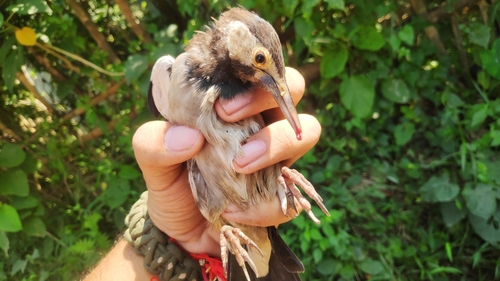 Étourneau pie
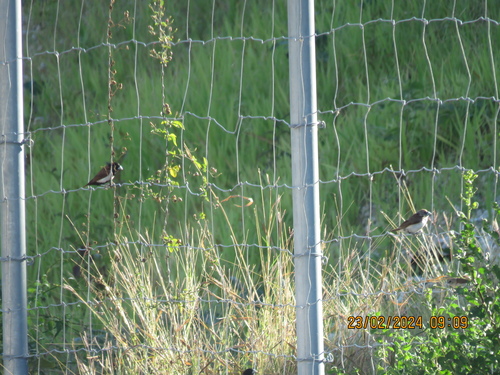 Capucin à dos marron
En bref
L'Étourneau pie et le Capucin à dos marron peuvent être distingués par leur plumage et leur structure. L'Étourneau pie a un motif noir et blanc distinctif avec un éclat brillant, tandis que le Capucin à dos marron est principalement brun-châtaigne avec une tête et une gorge noires. Leurs habitats et comportements diffèrent également de manière significative.
Conseils d’identification
Vérifiez le plumage : L'Étourneau pie a un motif noir et blanc, tandis que le Capucin à dos marron est brun-châtaigne avec une tête noire. Observez le comportement : Recherchez des démonstrations de courbette chez les Étourneaux pies. Considérez l'habitat : Les Étourneaux pies sont plus susceptibles d'être près des habitations humaines.
Plumage
L'Étourneau pie présente un plumage noir et blanc avec un éclat brillant, tandis que le Capucin à dos marron est principalement brun-châtaigne avec une tête et une gorge noires, et certaines races ont un ventre blanc.
Comportement
Les Étourneaux pies sont souvent vus en couples effectuant des démonstrations de courbette et forment de grandes congrégations pré-roost en dehors de la saison de reproduction. Les Capucins à dos marron n'exhibent pas ces comportements.
Habitat
Les Étourneaux pies se trouvent généralement dans des zones ouvertes, souvent près des habitations humaines, tandis que les Capucins à dos marron ont été introduits sur diverses îles et vallées, suggérant une préférence pour des habitats différents.
Étourneau pie · Capucin à dos marron · Mes oiseaux difficiles