
Bruant noir et blanc vs Bruant fauve
Calamospiza melanocorys contre Passerella iliaca
Faire un quiz avec Bruant noir et blanc et Bruant fauve
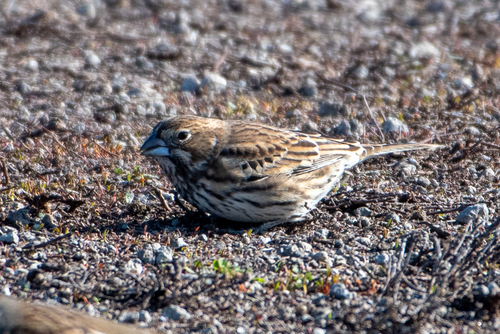 Bruant noir et blanc
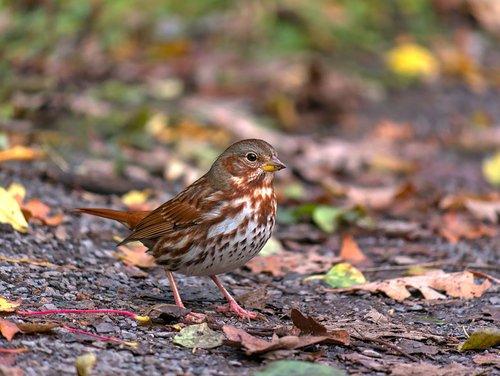 Bruant fauve
En bref
Le Bruant noir et blanc et le Bruant fauve peuvent être distingués principalement par leur plumage et leur comportement. Les Bruants noir et blanc, en particulier les mâles, présentent un changement frappant vers un plumage alternatif audacieux pendant la saison de reproduction, tandis que les Bruants fauves maintiennent un plumage plus constant avec des variations parmi les sous-espèces. Comportementalement, les Bruants noir et blanc sont plus nomades et forment de grands groupes, tandis que les Bruants fauves sont timides et préfèrent la végétation dense.
Conseils d’identification
- Recherchez le plumage alternatif audacieux chez les mâles Bruants noir et blanc pendant la saison de reproduction.
- Observez le comportement : les Bruants noir et blanc forment de grands groupes et sont nomades, tandis que les Bruants fauves sont timides et préfèrent la couverture dense.
- Considérez l'habitat : les Bruants noir et blanc se trouvent dans les prairies, les Bruants fauves dans la végétation dense.
Plumage
Les mâles Bruants noir et blanc subissent une mue vers un plumage alternatif audacieux pendant la reproduction, contrastant avec le plumage plus constant et variable selon les sous-espèces du Bruant fauve. Les Bruants fauves ont une apparence plus uniforme avec des variations régionales comme les formes 'Rouge' et 'Couleur ardoise'.
Comportement
Les Bruants noir et blanc sont nomades, formant de grands groupes en hiver, tandis que les Bruants fauves sont timides et préfèrent la végétation dense.
Habitat
Les Bruants noir et blanc sont adaptés aux prairies et aux habitats modifiés par l'homme, tandis que les Bruants fauves préfèrent la végétation dense.
Voix
Les Bruants noir et blanc ont deux chants de vol distincts, tandis que les vocalisations des Bruants fauves sont moins documentées dans les notes.
Bruant noir et blanc · Bruant fauve · Mes oiseaux difficiles