
Albatros de Laysan vs Troglodyte familier
Phoebastria immutabilis contre Troglodytes aedon
Faire un quiz avec Albatros de Laysan et Troglodyte familier
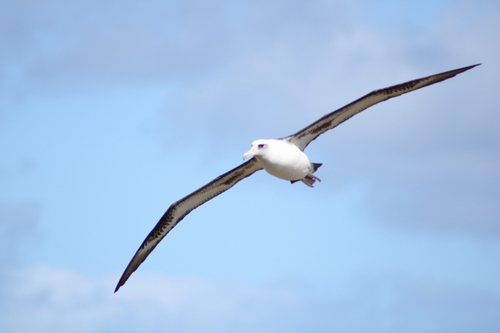 Albatros de Laysan
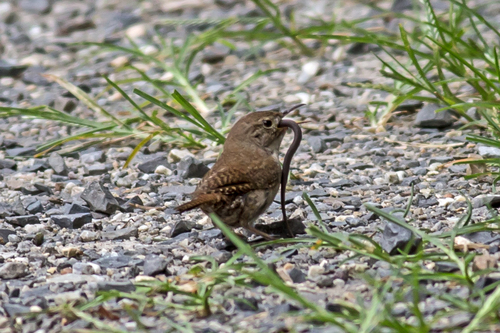 Troglodyte familier
En bref
L'Albatros de Laysan et le Troglodyte familier sont très différents en apparence et en habitat. L'Albatros de Laysan est un grand oiseau de mer avec de longues ailes, tandis que le Troglodyte familier est un petit oiseau chanteur terrestre. Ces espèces sont peu susceptibles d'être confondues sur le terrain en raison de leur taille distincte et de leurs environnements.
Conseils d’identification
1. Taille : Recherchez la grande taille et les longues ailes de l'Albatros de Laysan par rapport au petit et compact Troglodyte familier. 2. Habitat : Considérez l'environnement ; les albatros se trouvent en mer, tandis que les troglodytes sont terrestres. 3. Comportement : Notez le vol plané de l'albatros par rapport au comportement actif et sautillant du troglodyte.
Taille
L'Albatros de Laysan est significativement plus grand, avec une envergure qui peut dépasser 6 pieds, tandis que le Troglodyte familier est un petit oiseau, typiquement autour de 4-5 pouces de long.
Plumage
Les Albatros de Laysan ont un corps principalement blanc avec des ailes sombres et un dos sombre, tandis que les Troglodytes familiers sont globalement bruns avec des barrures subtiles et sans marques blanches significatives.
Comportement
Les Albatros de Laysan sont souvent vus planant au-dessus de l'océan, tandis que les Troglodytes familiers sont des oiseaux actifs et sautillants souvent vus se faufilant à travers les sous-bois ou autour des structures humaines.
Habitat
Les Albatros de Laysan sont des oiseaux océaniques trouvés au-dessus des mers ouvertes et nichant sur des îles éloignées. Les Troglodytes familiers habitent une variété d'environnements terrestres, souvent près des habitations humaines, comme les jardins et les bois.
Voix
Les Troglodytes familiers sont connus pour leurs chants forts et complexes, tandis que les Albatros de Laysan sont généralement silencieux en mer, avec des vocalisations occasionnelles sur les sites de reproduction.
Albatros de Laysan · Troglodyte familier · Mes oiseaux difficiles