
Canard spatule vs Bec-croisé bifascié
Spatula platalea contre Loxia leucoptera
Faire un quiz avec Canard spatule et Bec-croisé bifascié
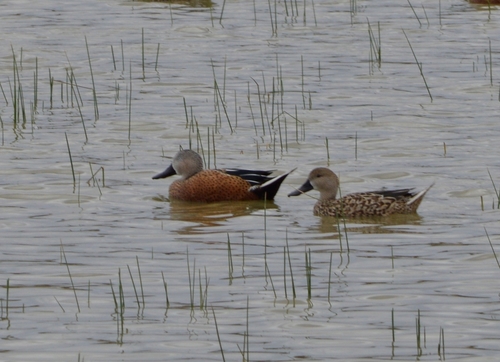 Canard spatule
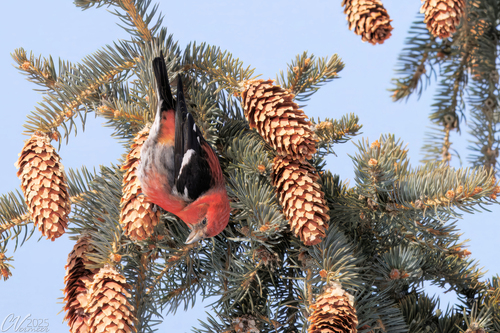 Bec-croisé bifascié
En bref
Le Canard spatule et le Bec-croisé bifascié se distinguent facilement par leur bec : le Canard spatule a un grand bec en forme de spatule, tandis que le Bec-croisé bifascié présente un bec croisé distinctif. Ces différences dans la forme du bec sont les marques de terrain les plus fiables pour identifier ces espèces.
Conseils d’identification
1. Forme du bec : Recherchez le grand bec en forme de spatule du Canard spatule par rapport au bec croisé du Bec-croisé bifascié. 2. Indices contextuels : Considérez l'habitat ; les Canards spatule se trouvent généralement dans des zones humides, tandis que les Bec-croisés bifasciés sont plus susceptibles d'être dans des forêts de conifères.
Canard spatule · Bec-croisé bifascié · Mes oiseaux difficiles