
Plongeon catmarin vs Plongeon huard
Gavia stellata contre Gavia immer
Faire un quiz avec Plongeon catmarin et Plongeon huard
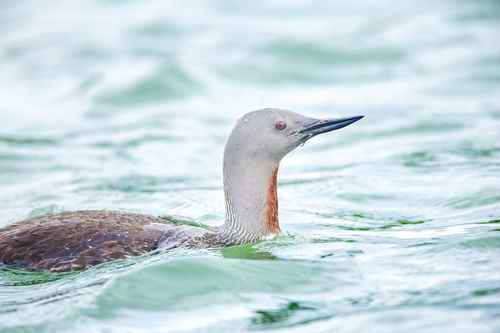 Plongeon catmarin
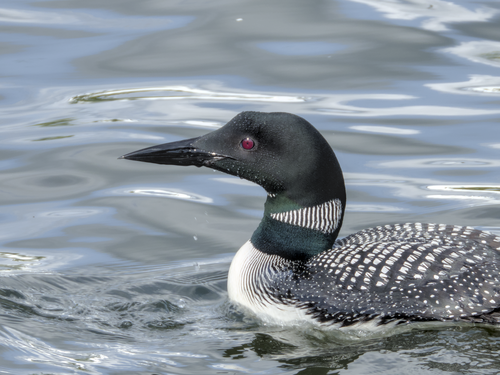 Plongeon huard
En bref
Le Plongeon catmarin est plus petit et plus élancé que le Plongeon huard, avec une tache rouge distinctive sur la gorge pendant la reproduction. En revanche, le Plongeon huard est plus grand et plus robuste, avec un dos en damier noir et blanc en plumage nuptial. Les deux espèces se trouvent dans des habitats similaires mais ont des comportements de recherche différents.
Conseils d’identification
1. Taille et structure : Recherchez le Plongeon catmarin, plus petit et plus élancé, par rapport au plus grand Plongeon huard. 2. Plumage : Pendant la saison de reproduction, vérifiez la tache rouge sur la gorge du Plongeon catmarin et le dos en damier du Plongeon huard. 3. Comportement : Notez la tendance du Plongeon catmarin à chercher de la nourriture loin de son lac de reproduction.
Taille
Le Plongeon catmarin est plus petit et plus élancé par rapport au plus grand et plus robuste Plongeon huard.
Plumage
Le Plongeon catmarin a un plumage gris relativement simple avec une tache rouge sur la gorge pendant la reproduction, tandis que le Plongeon huard présente un dos en damier noir et blanc frappant en plumage nuptial.
Comportement
Le Plongeon catmarin ne se nourrit pas dans son lac de reproduction et cherche plutôt de la nourriture dans des habitats marins voisins. Le Plongeon huard est un oiseau plongeur piscivore qui occupe des lacs de tailles variées.
Habitat
Les deux espèces se reproduisent sur des lacs, mais le Plongeon catmarin préfère les lacs arctiques et boréaux plus petits, tandis que le Plongeon huard peut être trouvé sur des lacs oligotrophes et mésotrophes plus grands.
Voix
Le cri du Plongeon catmarin pendant la reproduction est décrit comme cacophonique, tandis que le Plongeon huard est connu pour ses yodels territoriaux.