
Dendrocygne veuf vs Capucin bec-de-plomb
Dendrocygna viduata contre Euodice malabarica
Faire un quiz avec Dendrocygne veuf et Capucin bec-de-plomb
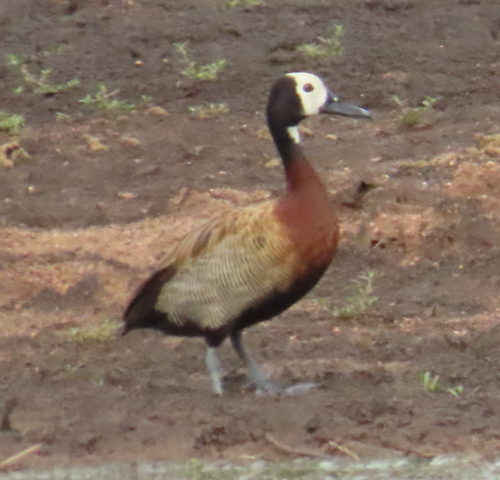 Dendrocygne veuf
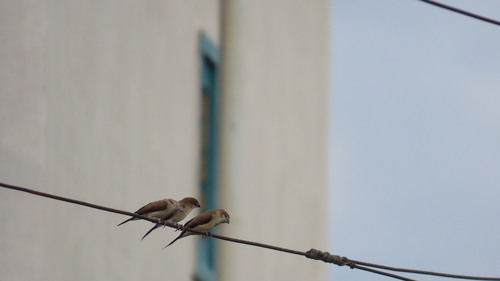 Capucin bec-de-plomb
En bref
Le Dendrocygne veuf et le Capucin bec-de-plomb sont distincts par leur apparence et leurs préférences d'habitat. Le canard est un oiseau aquatique plus grand avec un visage blanc frappant, tandis que le bec-de-plomb est un petit oiseau semblable à un pinson avec un plumage subtil. Observer leurs environnements peut également aider : le canard se trouve généralement près de l'eau, tandis que le bec-de-plomb préfère les zones sèches et ouvertes.
Conseils d’identification
Recherchez le visage blanc et la taille plus grande du Dendrocygne veuf près de l'eau. En revanche, le Capucin bec-de-plomb sera plus petit, avec un plumage brun uniforme, souvent dans des habitats secs et ouverts.
Taille
Le Dendrocygne veuf est significativement plus grand que le Capucin bec-de-plomb, étant un oiseau aquatique comparé au petit bec-de-plomb semblable à un pinson.
Plumage
Le Dendrocygne veuf présente un visage blanc distinctif et un corps plus sombre, tandis que le Capucin bec-de-plomb a un plumage brun uniforme et subtil avec un ventre pâle.
Habitat
Les Dendrocygnes veufs se trouvent généralement dans des zones humides ou près de plans d'eau, tandis que les Capucins bec-de-plomb sont plus souvent observés dans des zones sèches et ouvertes.
Dendrocygne veuf · Capucin bec-de-plomb · Mes oiseaux difficiles