
Cincle plongeur vs Serin des Canaries
Cinclus cinclus contre Serinus canaria
Faire un quiz avec Cincle plongeur et Serin des Canaries
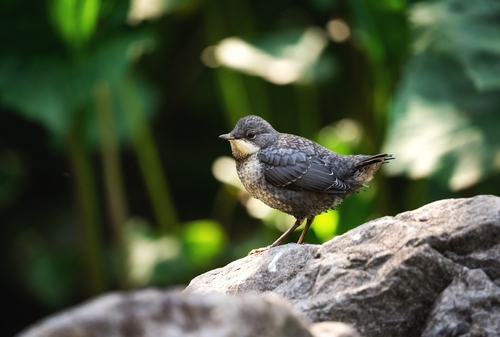 Cincle plongeur
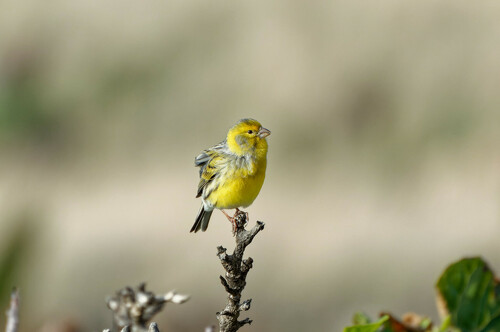 Serin des Canaries
En bref
Le Cincle plongeur est un oiseau aquatique souvent trouvé près des ruisseaux, tandis que le Serin des Canaries est un petit pinson typiquement observé dans des habitats terrestres plus ouverts. Le Cincle plongeur se caractérise par son corps robuste et son plumage sombre avec une gorge blanche distinctive, tandis que le Serin est connu pour ses teintes jaune vif et verdâtre. Ces espèces diffèrent considérablement en préférence d'habitat et en apparence, ce qui les rend distinguables sur le terrain.
Conseils d’identification
Cherchez le Cincle plongeur près de l'eau, surtout des ruisseaux, et notez sa gorge et sa poitrine blanches. Le Serin des Canaries est plus susceptible d'être vu dans des zones ouvertes avec un plumage jaune vif et verdâtre. Leurs habitats distincts sont un facteur clé dans l'identification.
Taille
Le Cincle plongeur est généralement plus grand et plus robuste que le plus petit et plus délicat Serin des Canaries.
Plumage
Le Cincle plongeur a un plumage sombre avec une gorge et une poitrine blanches proéminentes, tandis que le Serin des Canaries affiche un plumage jaune vif et verdâtre.
Comportement
Le Cincle plongeur est souvent vu se balançant sur des rochers dans des ruisseaux à courant rapide, tandis que le Serin des Canaries est plus susceptible d'être observé virevoltant parmi les arbres et les buissons.
Habitat
Le Cincle plongeur se trouve généralement près des ruisseaux et des rivières d'eau douce, tandis que le Serin des Canaries préfère des habitats terrestres ouverts tels que des jardins et des bois.
Cincle plongeur · Serin des Canaries · Mes oiseaux difficiles