
African Rail vs African Oystercatcher
Rallus caerulescens contro Haematopus moquini
Fai un quiz con African Rail e African Oystercatcher
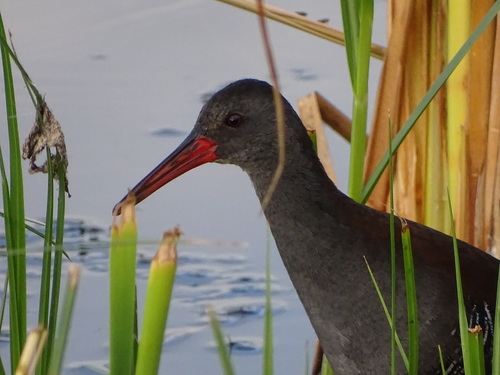 African Rail
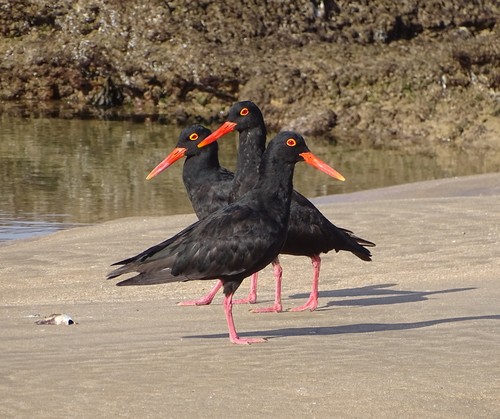 African Oystercatcher
In breve
Il segno di campo più affidabile per distinguere tra l'African Rail e l'African Oystercatcher è la loro forma e colore del becco. L'African Rail ha un becco sottile e leggermente curvo, mentre l'African Oystercatcher presenta un becco robusto, dritto e di un rosso brillante. Queste differenze sono facilmente osservabili con i binocoli.
Consigli di identificazione
Cerca la forma e il colore del becco: l'African Rail ha un becco sottile e leggermente curvo, mentre l'African Oystercatcher ha un becco robusto, dritto e di un rosso brillante. Nota la differenza di dimensioni: l'Oystercatcher è più grande. Osserva l'habitat: i Rail si trovano nelle paludi, gli Oystercatchers sulle coste.
Taglia
L'African Oystercatcher è significativamente più grande dell'African Rail.
Piumaggio
L'African Rail è generalmente di colore bruno con un motivo più criptico, mentre l'African Oystercatcher è prevalentemente nero con una vistosa macchia bianca sulle ali visibile in volo.
Comportamento
Gli African Rails sono più riservati e spesso si trovano a nascondersi in vegetazione densa, mentre gli African Oystercatchers sono più appariscenti, spesso visti cercare cibo apertamente sulle coste rocciose.
Habitat
Gli African Rails si trovano tipicamente in paludi d'acqua dolce e canneti, mentre gli African Oystercatchers sono uccelli costieri, che frequentano le coste rocciose e le spiagge sabbiose.
African Rail · African Oystercatcher · I miei uccelli difficili