
Carolina Wren vs House Finch
Thryothorus ludovicianus contro Haemorhous mexicanus
Fai un quiz con Carolina Wren e House Finch
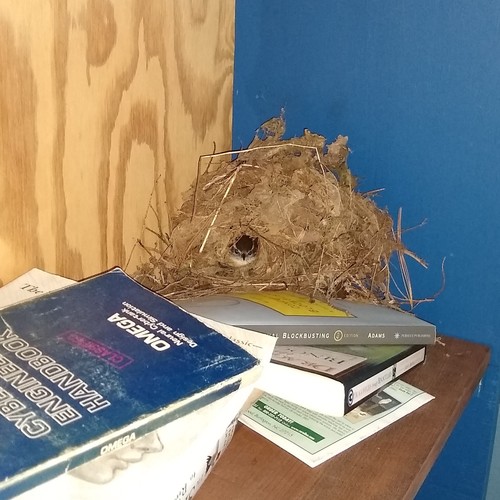 Carolina Wren
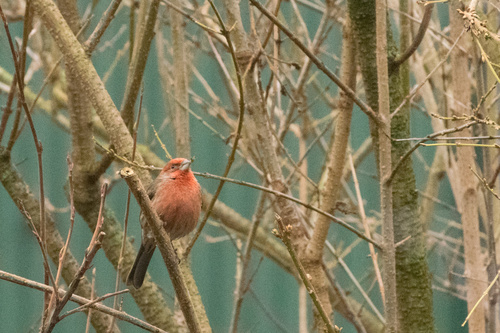 House Finch
In breve
Il Carolina Wren e il House Finch sono facilmente distinguibili per la loro struttura e il loro piumaggio. Il Carolina Wren ha un becco più snello e curvo e un prominente sopracciglio bianco, mentre il House Finch ha un becco più spesso e conico adatto per mangiare semi. Osservare il loro comportamento e habitat può anche aiutare nell'identificazione.
Consigli di identificazione
Bill shape: Il Carolina Wren ha un becco snello e curvo; il House Finch ha un becco più spesso e conico. Supercilium: Il Carolina Wren ha un prominente sopracciglio bianco. Plumage: Cerca il colore marrone ruggine del Carolina Wren rispetto al marrone striato e al potenziale rosso del House Finch. Habitat: Considera l'ambiente; i Carolina Wren preferiscono vegetazione più densa, mentre i House Finch sono più urbani.
Piumaggio
I Carolina Wren hanno un prominente sopracciglio bianco e un piumaggio caldo e marrone ruggine. Al contrario, i House Finch hanno un piumaggio marrone striato con i maschi che mostrano spesso rosso sulla testa e sul petto, mentre le femmine sono più uniformemente marroni.
Comportamento
I Carolina Wren spesso cercano cibo vicino al suolo o si arrampicano su tronchi e rami, mentre i House Finch sono più propensi a essere visti posati in aree aperte o a nutrirsi di semi.
Habitat
I Carolina Wren preferiscono aree boschive e giardini con vegetazione densa, mentre i House Finch si trovano comunemente in aree urbane e suburbane, spesso attorno a insediamenti umani.