
Crested Coua vs Verreaux's Coua
Coua cristata contro Coua verreauxi
Fai un quiz con Crested Coua e Verreaux's Coua
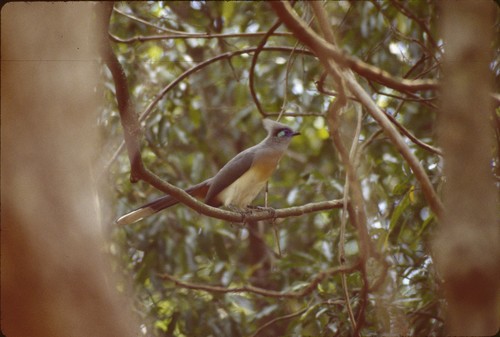 Crested Coua
 Verreaux's Coua
In breve
Il miglior segno sul campo per separare il Crested Coua dal Verreaux's Coua è il colore e l'estensione della pelle nuda attorno all'occhio: il Crested Coua mostra una vivace macchia blu e turchese, mentre il Verreaux's Coua ha un'area blu più chiara. Inoltre, il Crested Coua è più grande, con un dorso grigio-verde e un petto ruggine, e una coda notevolmente blu-porpora con punte bianche, mentre il Verreaux's Coua è più piccolo, complessivamente grigio medio, con una lunga coda grigio scuro con punte bianche solo sulle piume esterne. Entrambi hanno creste, ma quella del Verreaux's Coua è lunga e con punte scure. In volo o posati, concentrati sul colore della coda e sui toni delle parti inferiori per una rapida separazione. I giovani del Crested Coua mancano della vivace macchia oculare e hanno una cresta più corta, il che può causare confusione con il Verreaux's, ma il colore complessivo del corpo e il modello della coda rimangono utili.
Consigli di identificazione
- Pelle nuda attorno all'occhio: Il Crested Coua mostra una vivace macchia blu e turchese, mentre il Verreaux's Coua ha solo blu chiaro. Questo è il segno più affidabile a distanza ravvicinata per gli adulti.
- Colore e modello della coda: Il Crested Coua ha una lunga coda blu-porpora con ampie punte bianche, molto evidente in volo o quando è aperta. Il Verreaux's Coua ha una lunga coda grigio scuro con il bianco limitato alle punte delle piume esterne.
- Colore delle parti inferiori: Il Crested Coua ha un petto ruggine e un ventre bianco; il Verreaux's Coua è biancastro sul petto inferiore e sul ventre ma manca di toni ruggine.
- Dorso e parti superiori: Il Crested Coua è grigio-verde sopra, fondendosi con il fogliame; il Verreaux's Coua è complessivamente grigio medio, apparendo più semplice e con toni più freddi.
- Forma e colore della cresta: Entrambe le specie hanno creste, ma quella del Crested Coua è prominente e grigia, mentre quella del Verreaux's è lunga e con punte scure. Su un uccello posato, cerca la punta scura sul Verreaux's.
- Colore del becco: Entrambi hanno becchi neri, quindi questo non è utile per la separazione.
- Colore degli occhi: Il Crested Coua ha occhi marroni; il colore degli occhi del Verreaux's Coua non è specificato, quindi questo è un segno debole.
- Confusione giovanile: I giovani Crested Coua mancano della vivace macchia oculare blu/turchese e hanno una cresta più corta, il che può farli somigliare al Verreaux's, ma il loro colore complessivo più chiaro e il modello della coda (ancora con punte bianche) aiutano a distinguerli.
- Dimensione e robustezza: Il Crested Coua è più grande e più robusto; il Verreaux's Coua è visibilmente più piccolo e snello.
- Stile di volo: Entrambi sono deboli volatori, ma la coda più lunga e la dimensione maggiore del Crested Coua possono far apparire il suo volo più pesante e faticoso.
- Habitat e distribuzione: Se visto al di fuori della regione del lago salato meridionale, il Verreaux's Coua è altamente improbabile. Il Crested Coua è diffuso lungo la costa del Madagascar.
- Comportamento di gruppo: Il Crested Coua può essere visto in piccoli gruppi o stormi misti; le abitudini sociali del Verreaux's Coua sono meno documentate ma probabilmente solitarie o in coppie.
- Mimetismo del piumaggio: Il dorso grigio-verde del Crested Coua fornisce mimetismo nelle ombre della foresta, mentre il grigio medio del Verreaux's Coua è più semplice e si distingue meno negli habitat verdi.
- Coda in volo: Fai attenzione all'estensione e al colore del bianco nella coda quando l'uccello sta volando o aprendo la coda mentre è posato.
- Petto ruggine del Crested Coua: Questo è unico tra i due ed è visibile in buona luce, specialmente quando l'uccello ti sta di fronte.
Taglia
Il Crested Coua è il più grande dei due, con una massa corporea di circa 147g e una lunghezza di 30–44 cm. Il Verreaux's Coua è descritto come piccolo tra i couas, ma non è disponibile una massa precisa. Sul campo, il Crested Coua apparirà visibilmente più robusto e con una coda più lunga, specialmente quando visto fianco a fianco o con esperienza di entrambe le specie.
Piumaggio
I giovani Crested Coua sono più chiari degli adulti, con una cresta più corta e privi della vivace pelle nuda blu/turchese attorno all'occhio, il che può farli somigliare al Verreaux's Coua a prima vista. Tuttavia, anche i giovani Crested Coua mantengono un dorso grigio-verde e una coda blu-porpora più lunga con punte bianche. L'adulto Crested Coua mostra un dorso grigio-verde, un ventre bianco, un petto ruggine e una prominente cresta grigia. Il Verreaux's Coua è complessivamente grigio medio, con un petto inferiore e un ventre biancastro, piume di volo più scure e una lunga coda grigio scuro con bianco solo alle punte delle piume esterne. La sua cresta è lunga e con punte scure, e la pelle nuda attorno all'occhio è blu chiaro (mai turchese). Entrambi hanno becchi neri, ma l'occhio del Crested Coua è marrone, mentre quello del Verreaux's non è specificato. In volo, la coda blu-porpora con punte bianche del Crested Coua si distingue, mentre il Verreaux's Coua mostra una coda più uniformemente scura con bianco limitato.
Comportamento
Il Crested Coua è un debole volatore, spesso visto saltellare tra i rami in alto nella chioma, usando il suo terzo dito reversibile per la presa e l'equilibrio. Tende a muoversi in piccoli gruppi al di fuori della stagione riproduttiva ed è segreto, fondendosi nel fogliame. Il Verreaux's Coua è anche arboricolo ma è descritto come piccolo e probabilmente meno evidente a causa del suo colore grigio complessivo. Entrambe le specie sono più spesso viste posate o muoversi tra gli alberi piuttosto che in volo sostenuto.
Habitat
Entrambe le specie sono endemiche del Madagascar, ma le loro aree e habitat preferiti differiscono. Il Crested Coua è diffuso lungo le regioni costiere, trovato in foreste litorali e decidue, savane, terreni incolti e occasionalmente in mangrovie e palme, di solito a elevazioni fino a 900m. Il Verreaux's Coua è molto più ristretto, riportato trovato solo vicino a un lago salato nella parte meridionale del Madagascar. Pertanto, la posizione può essere un forte indizio: un coua visto al di fuori delle aree del lago salato meridionale è molto più probabile che sia un Crested.